ground
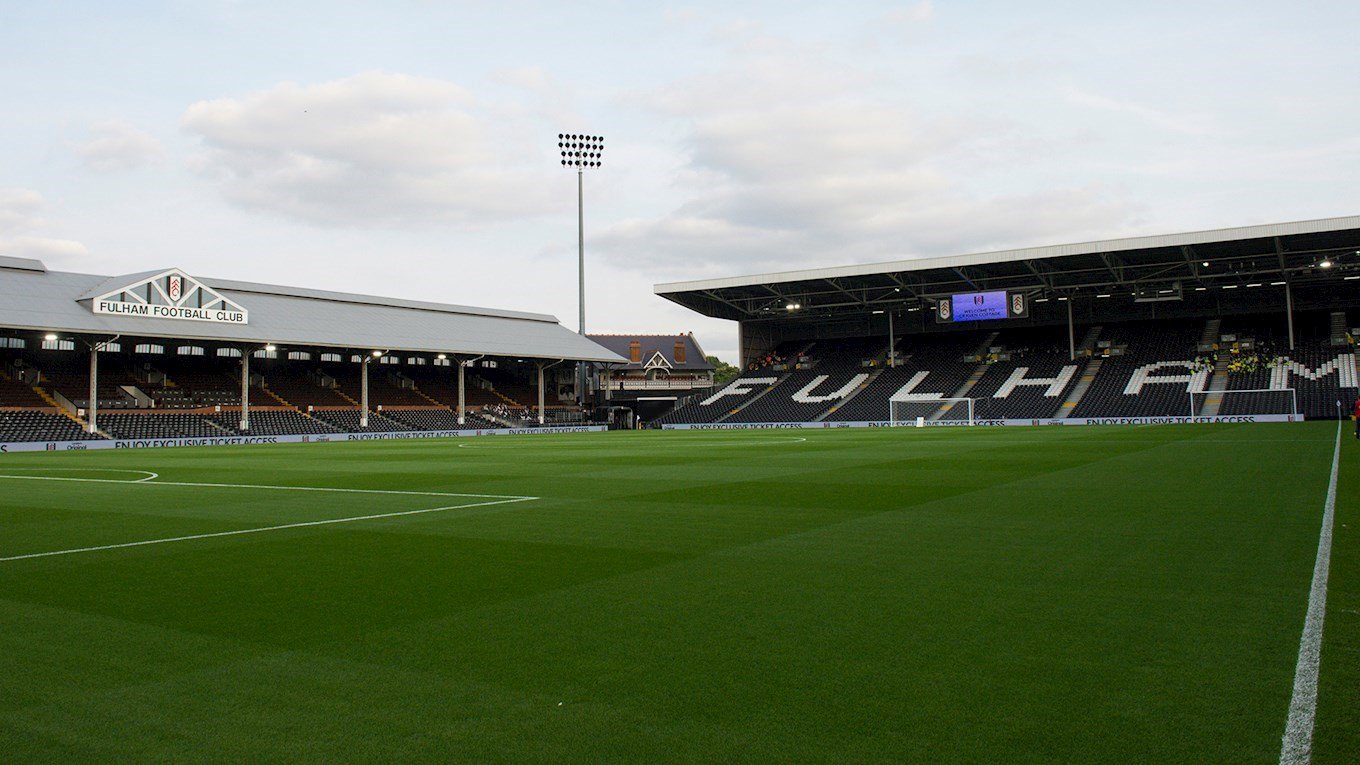
Craven Cottage — Fulham FC
One of English football's genuinely irreplaceable grounds — a riverside setting, a Victorian cottage, and over a century of Fulham on the banks of the Thames.
ground
One of English football's genuinely irreplaceable grounds — a riverside setting, a Victorian cottage, and over a century of Fulham on the banks of the Thames.
ground
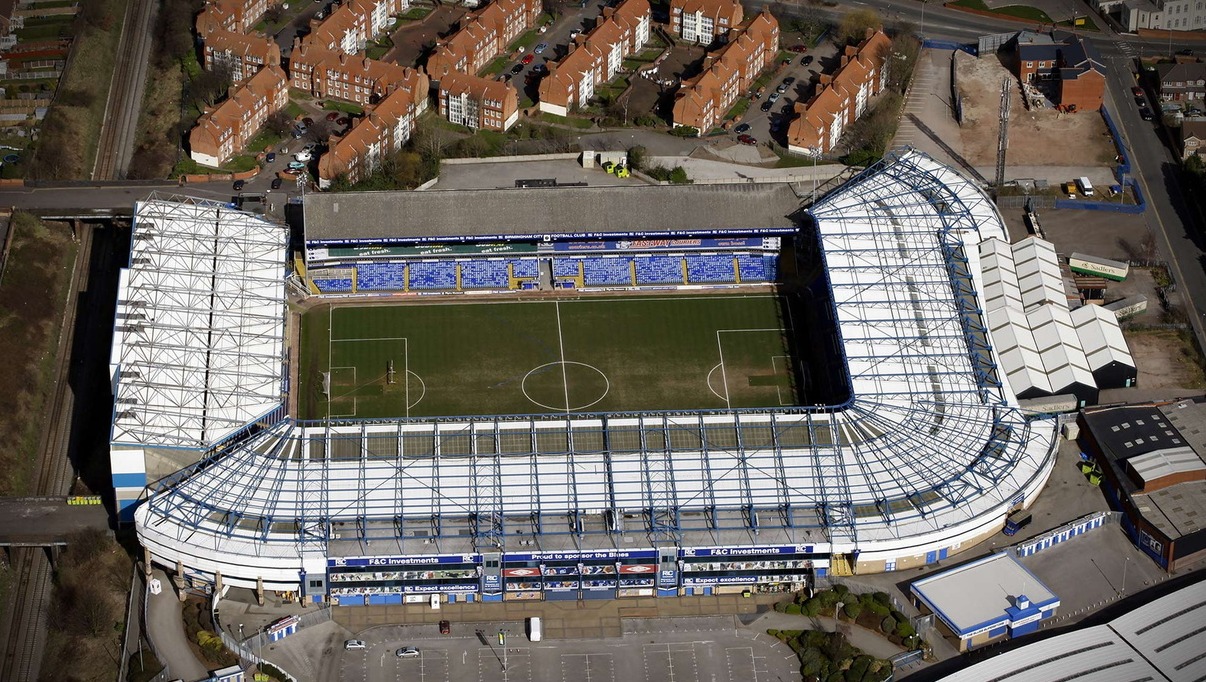
Over a century old and still standing in Bordesley, St Andrew's is a proper old Football League ground — uneven, atmospheric, and unmistakably Birmingham.
ground
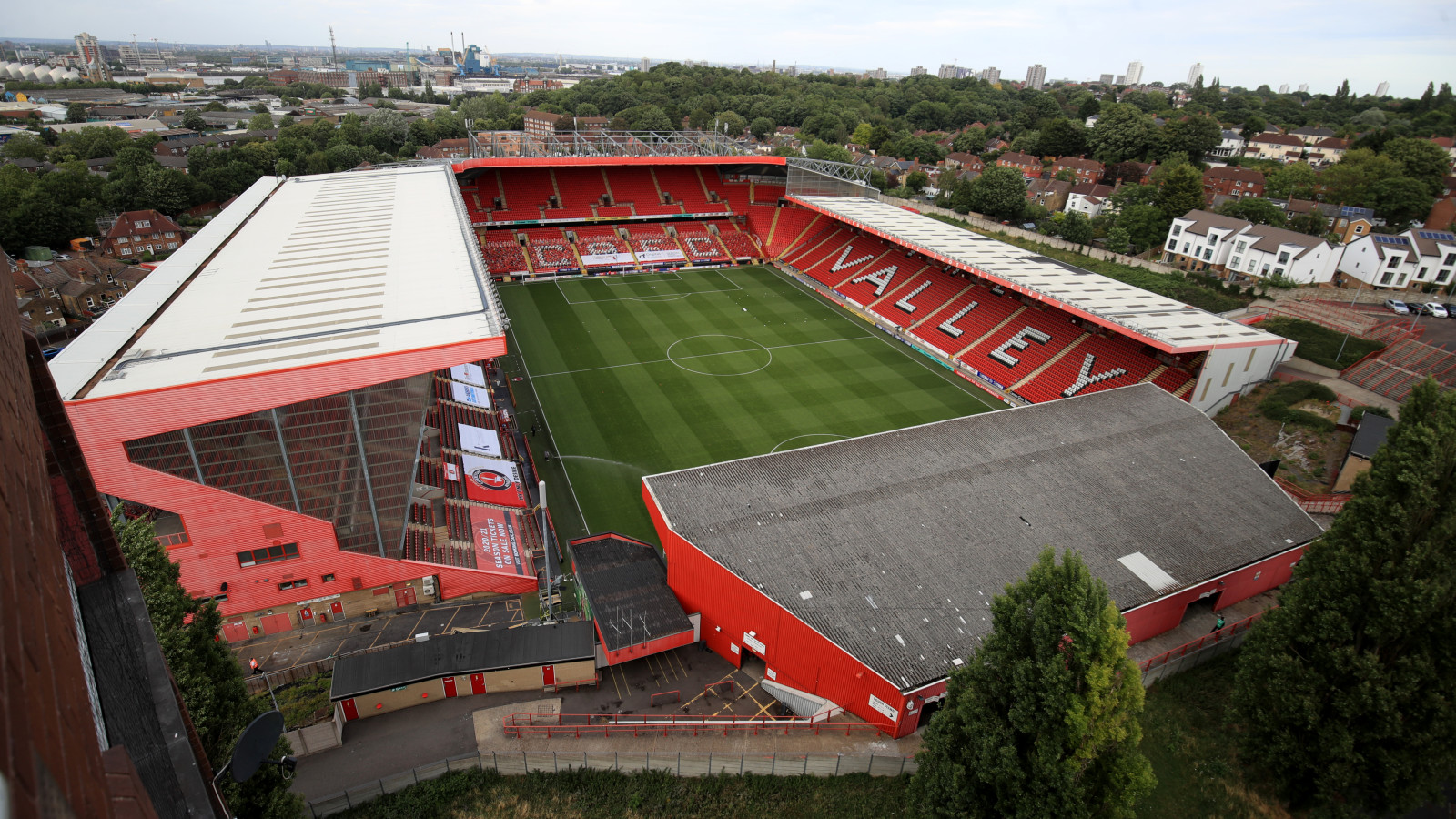
The Valley is one of English football's great comeback stories — a ground that was literally reclaimed by its own supporters, and still feels like it belongs to them.
ground
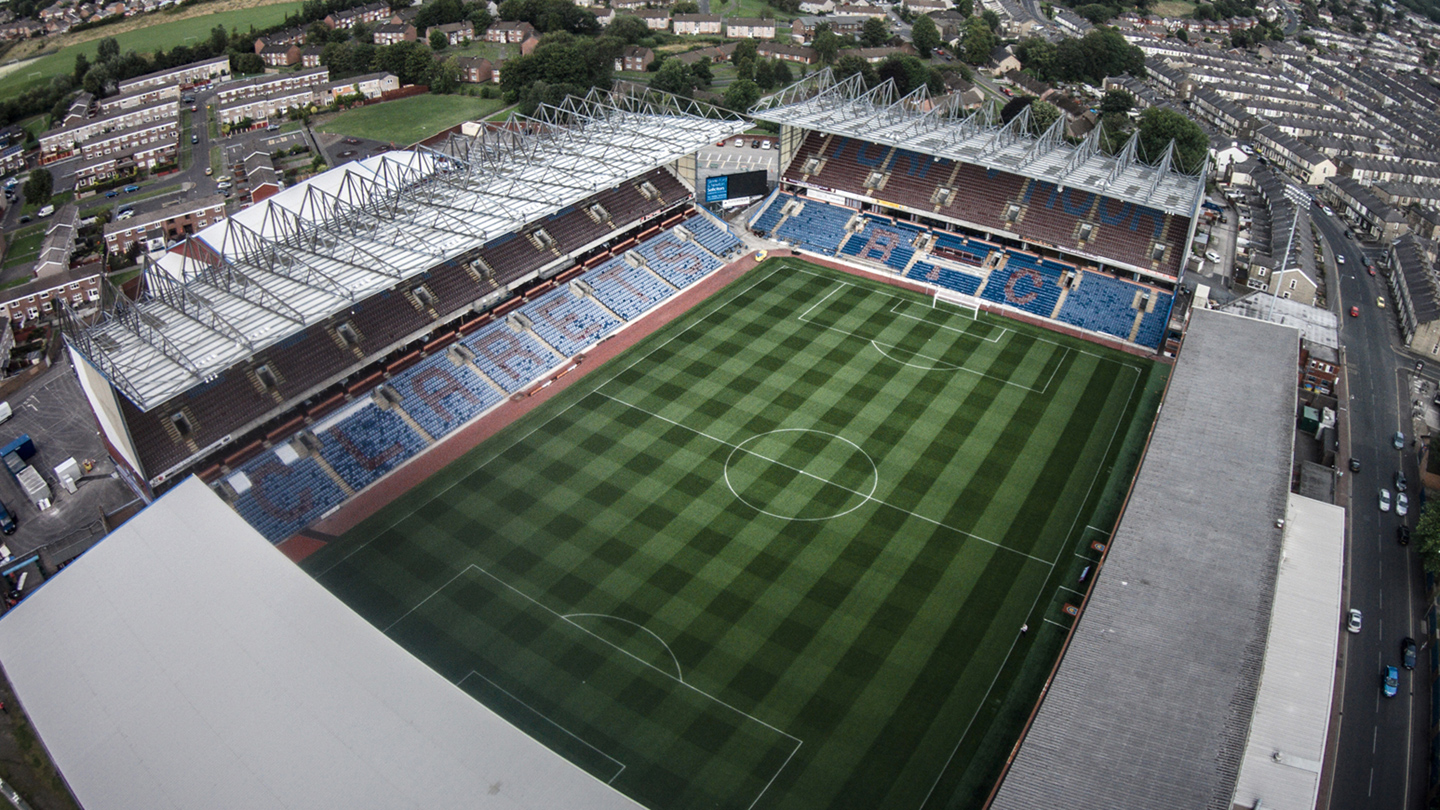
One of England's oldest Football League grounds, Turf Moor sits tight against Burnley's terraced streets — compact, loud, and utterly unimpressed by modern football's gloss.
ground
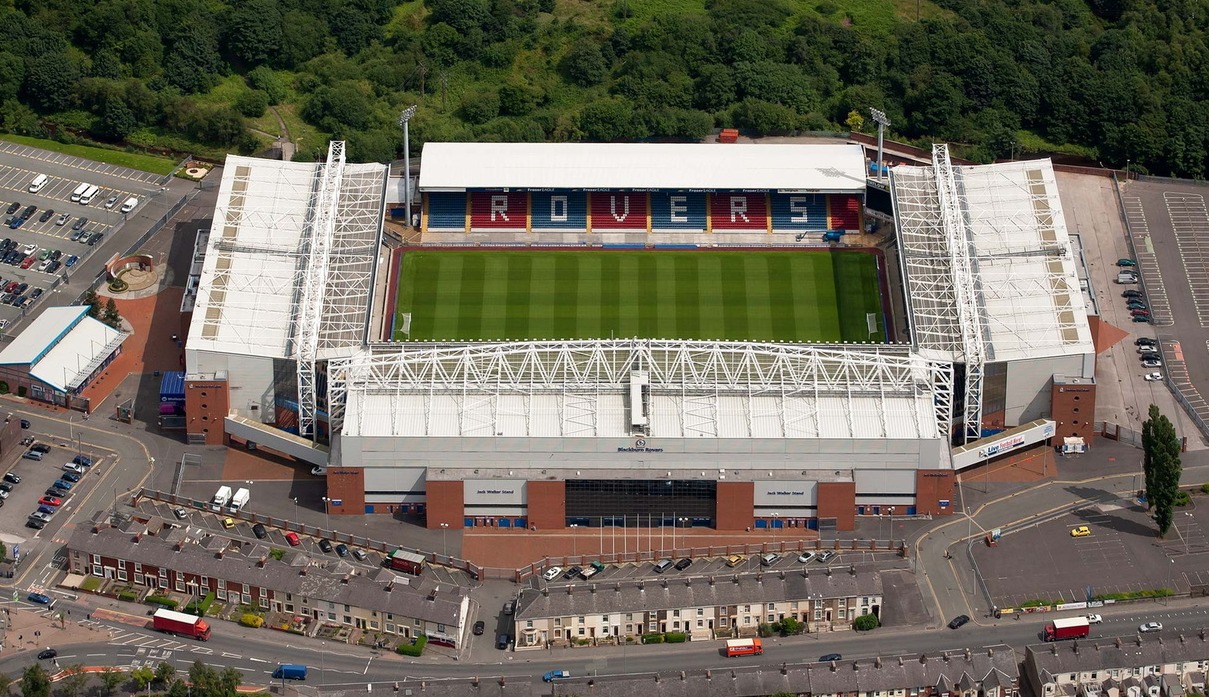
Ewood Park is a proper old Lancashire ground — asymmetric, atmospheric, and carrying the weight of a Premier League title that still defines a town's identity.
ground
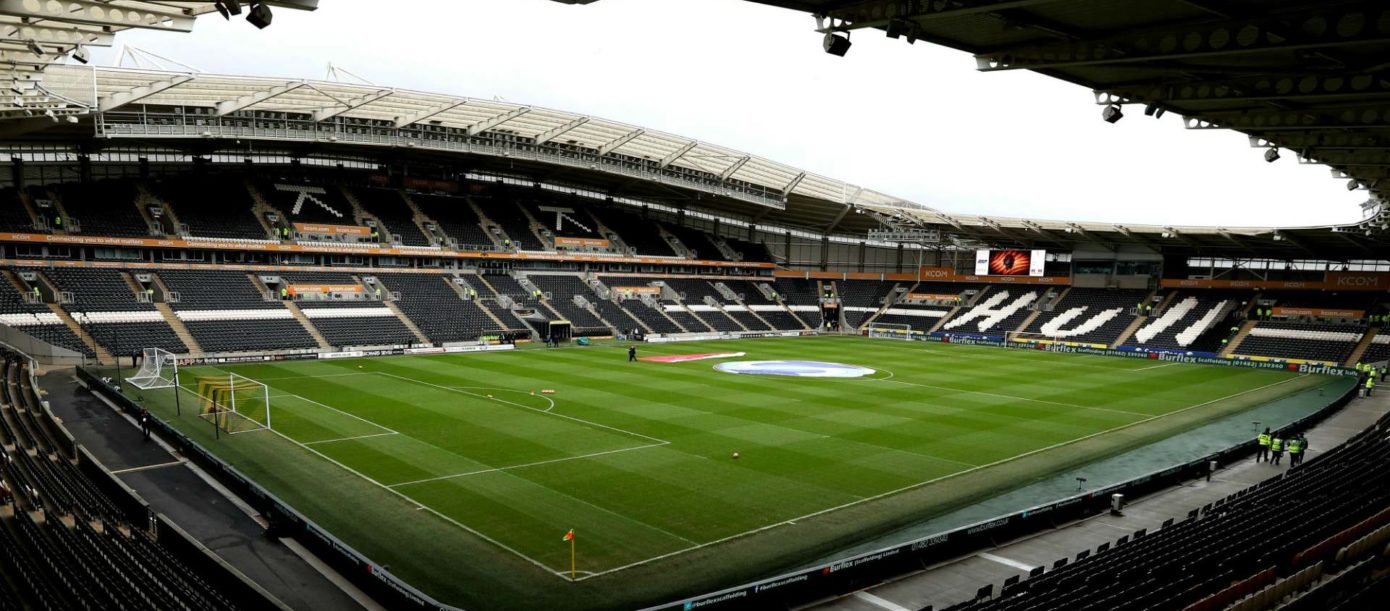
Hull's purpose-built ground has worn several names since 2002, but the football inside has always been worth the trip across the Humber.
ground
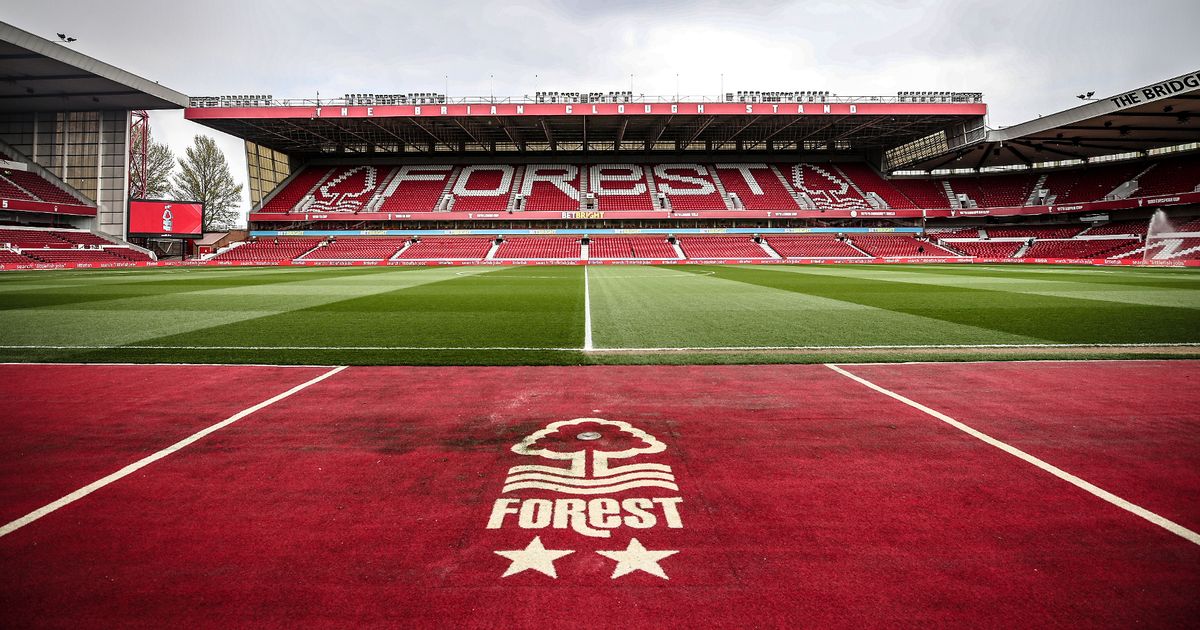
On the banks of the Trent, Forest's home is one of English football's great grounds — two European Cups won here, and the river still runs past the corner flag.
ground
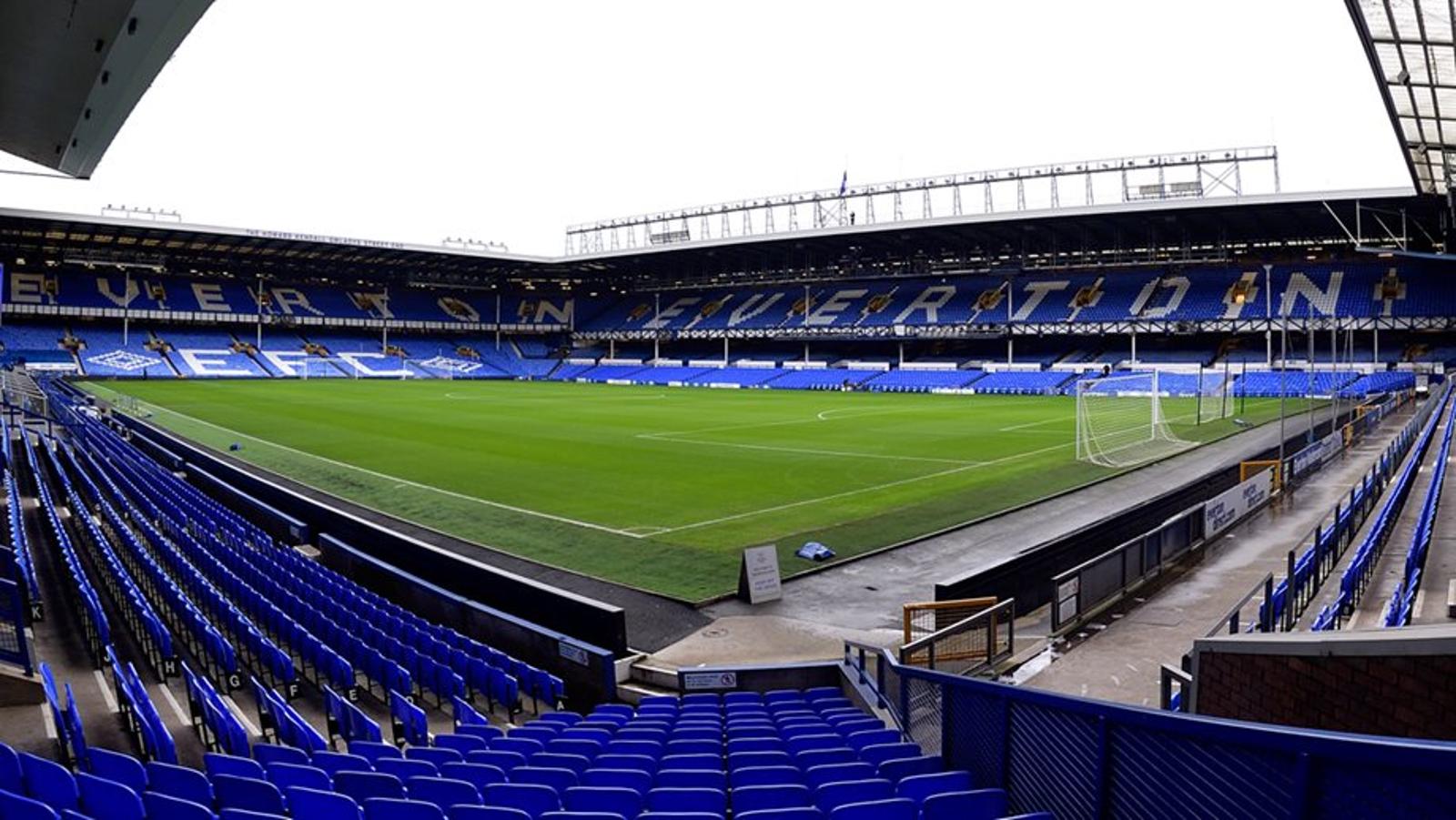
Goodison Park is one of English football's great grounds — a tight, towering Victorian bowl in the backstreets of Walton that rewards every away fan who makes the trip.
ground
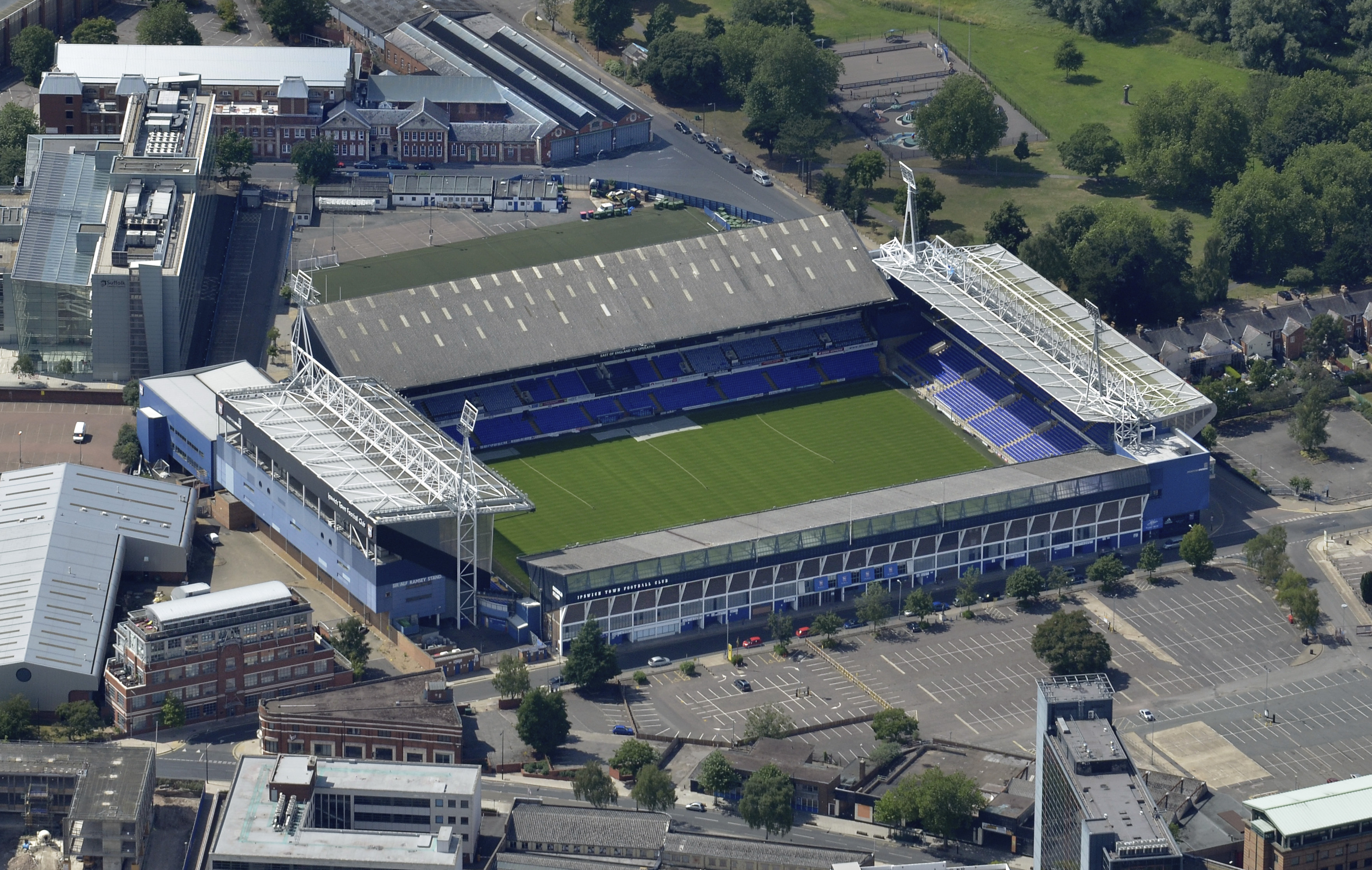
Portman Road is a proper Football League ground in a proper football town — compact, loud when it needs to be, and carrying the weight of a genuinely remarkable history.
ground
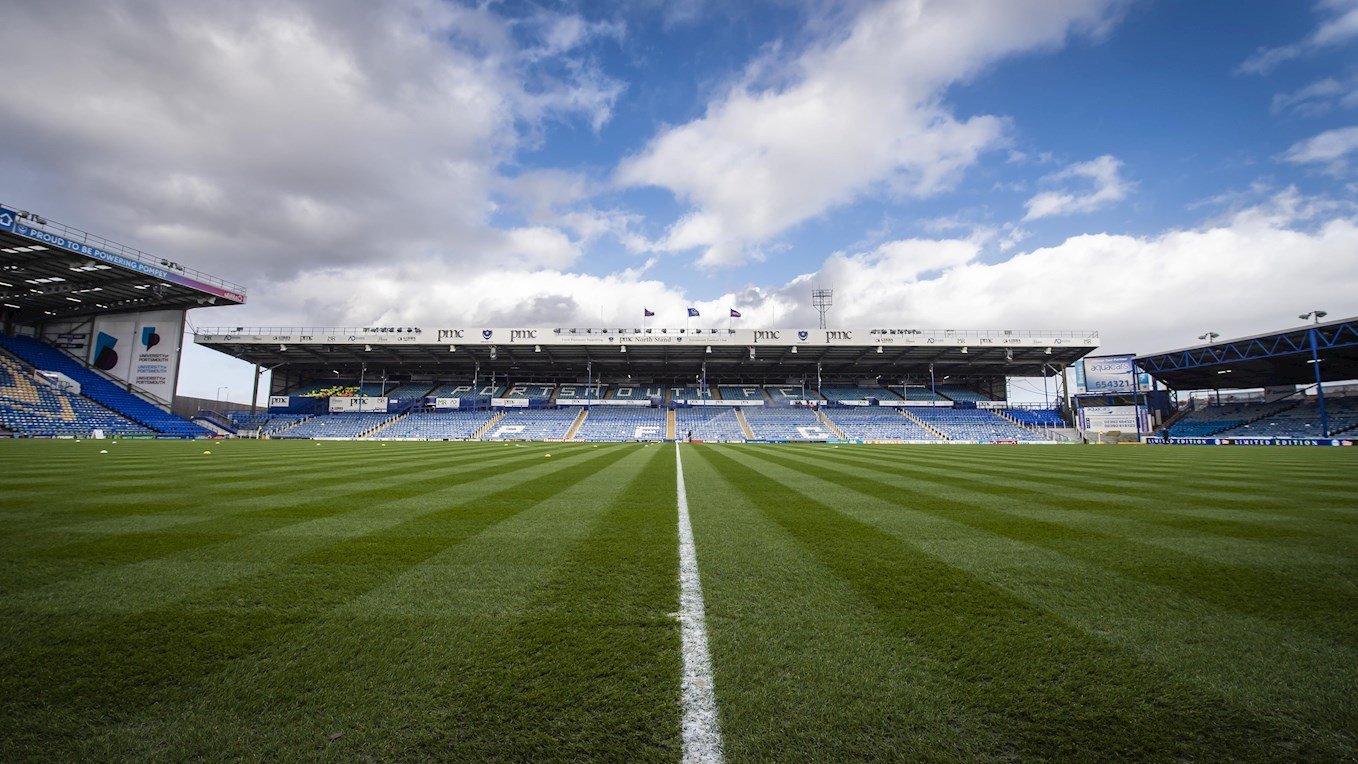
Fratton Park is one of English football's great surviving relics — a tight, loud, Victorian ground that still feels like it belongs to the people who built it.
ground
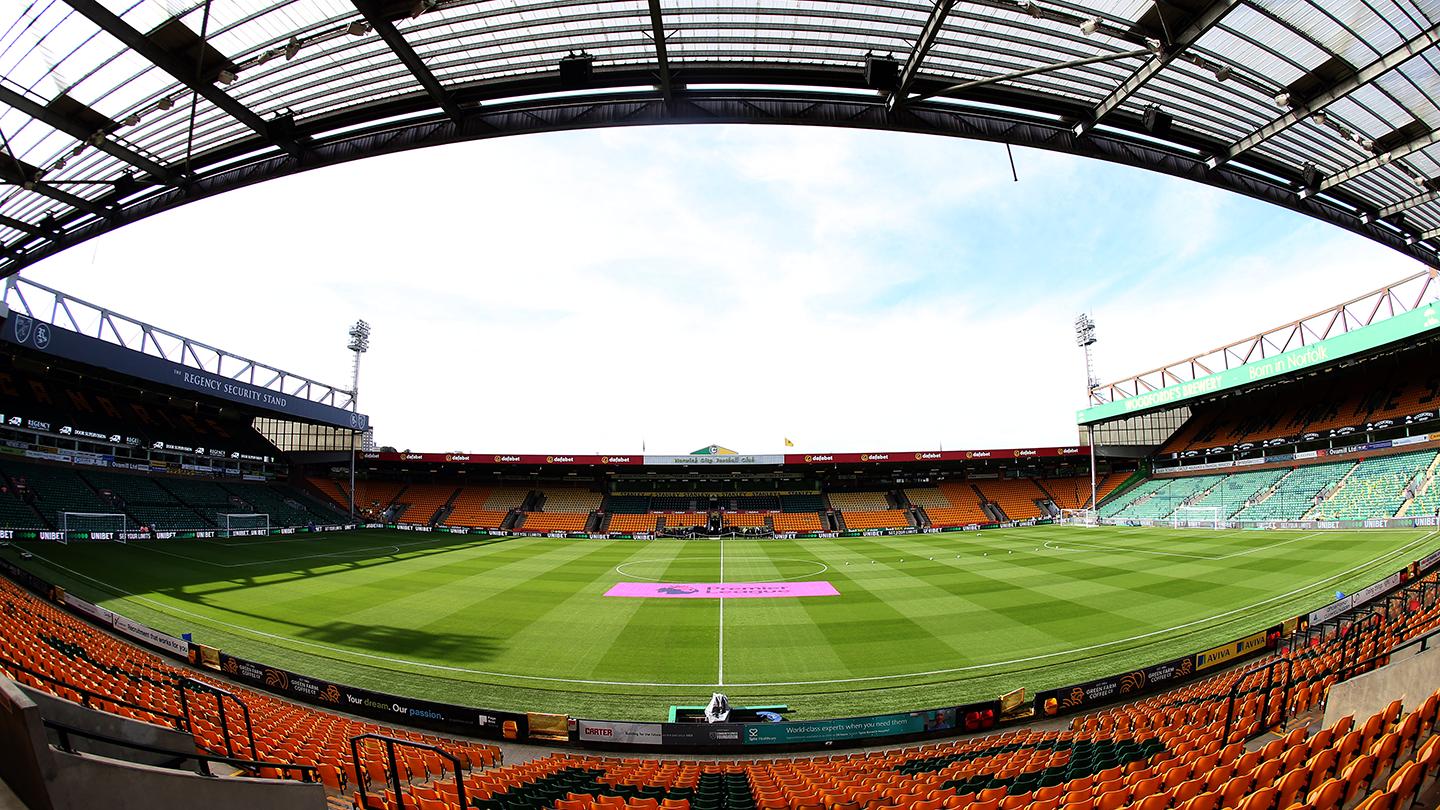
Carrow Road is a proper Football League ground in a proper football city — compact, loud when it needs to be, and worth the long trip to Norfolk.
ground
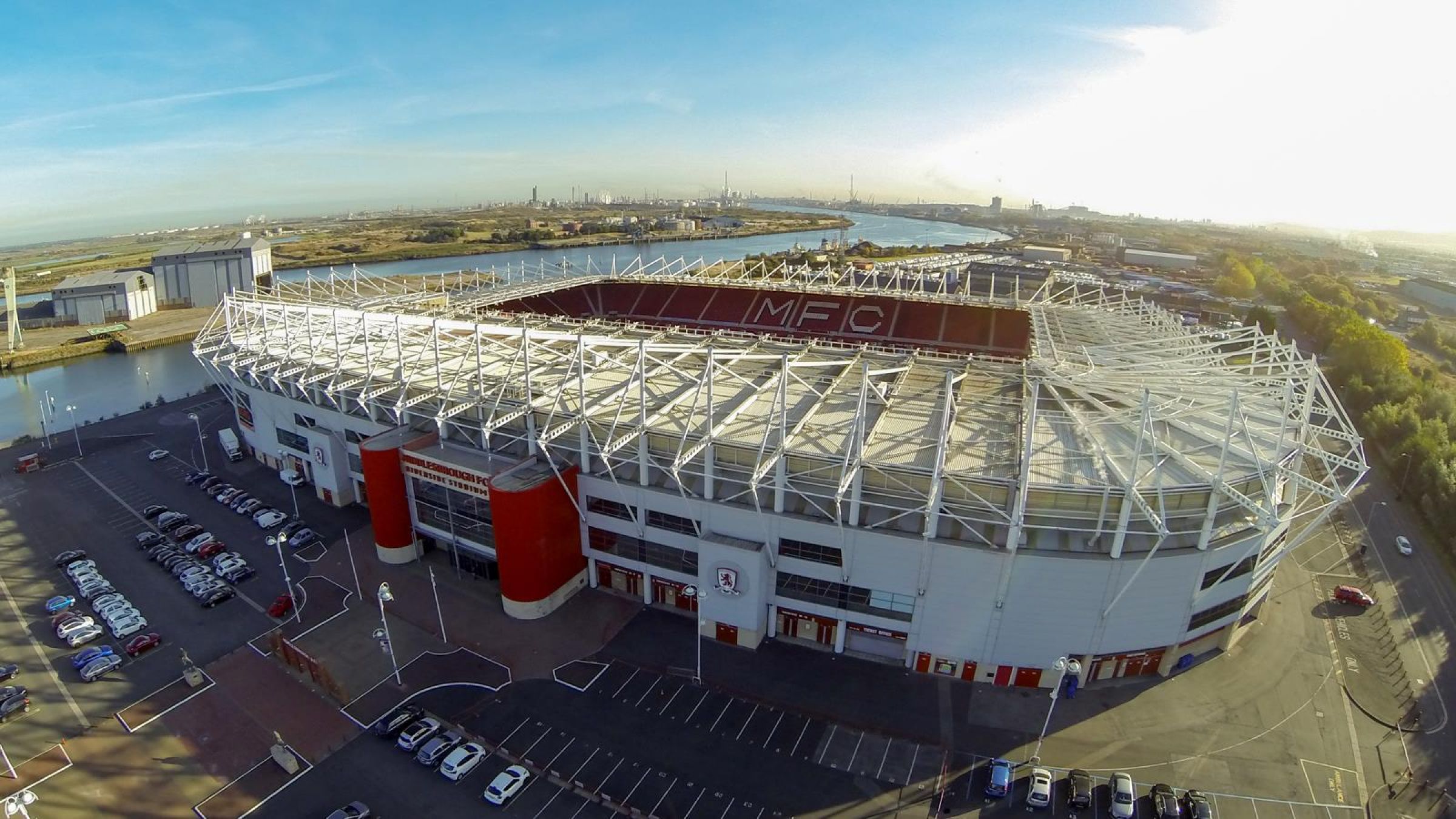
A 34,000-capacity ground built on Teesside's industrial waterfront in 1995 — functional, proud, and unmistakably Boro. Worth the trip for the town alone.