Stamford Bridge — Chelsea FC
Stamford Bridge is a ground that divides opinion — but stand in the away end on a big night and you'll understand exactly why it belongs on any groundhopper's list.
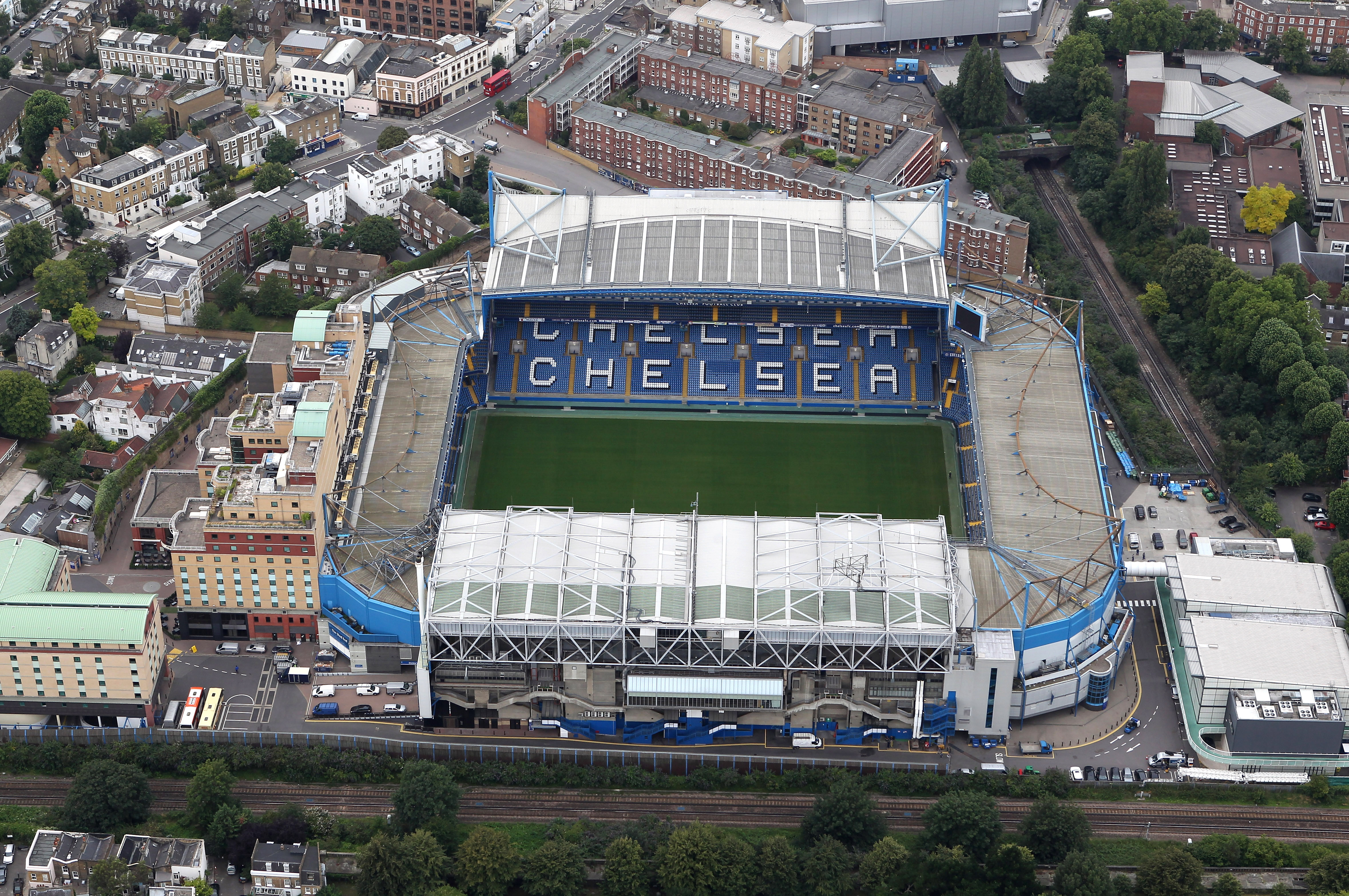
Stamford Bridge is not a ground that asks for your approval. It has been here since 1877, it has hosted some of the most consequential matches in English football, and it will carry on regardless of what you think of the club, the ownership, or the price of a pint on the Fulham Road. For a groundhopper, that is precisely the point. Whatever your feelings about Chelsea, this is a ground with genuine weight — a place where the football has mattered, where the noise can still surprise you, and where the sheer scale of the thing, crammed into a residential corner of west London, makes you stop and look twice when you come round the corner from Fulham Broadway.
Town and Club
Chelsea sit in one of the wealthiest postcodes in one of the wealthiest cities in the world, and that tension — between a working-class football club and the gilded neighbourhood it now inhabits — has defined them for decades. The Fulham Road end of SW6 is not the King's Road of myth; it is bus stops and chicken shops and the kind of flat-fronted terraced streets that exist in every London borough. The club was founded not by a community of supporters but by a ground owner who needed a tenant, which tells you something about the transactional nature of the relationship between Chelsea and their surroundings. And yet the support is real, the local identity is real, and on a matchday the streets around the Bridge fill with people who have been coming here all their lives. The money that arrived in 2003 changed the club's ambitions but it did not invent the supporters.
Four Sides
Stamford Bridge is a peculiar shape — elongated, slightly asymmetric, with stands that were built at different times and never quite agreed on a unified vision. The Matthew Harding Stand to the north is the loudest end of the ground, a double-decker that generates most of what noise there is. The East Stand, the oldest surviving structure, has a slightly old-fashioned feel to it — tiered, covered, with the kind of sightlines that remind you this was not designed by a committee with a CAD package. The Shed End to the south is all-seater now, the terracing long gone, but the name carries enough history that Chelsea supporters still use it without irony. The West Stand is the big one — the main stand, corporate and imposing, with the hotel and the facilities that make Stamford Bridge feel, in places, more like a resort than a football ground. The floodlights are modern uprights rather than the old pylons, which is a shame, but the pitch itself — 103 by 68 metres of grass — sits well below street level, which gives the whole bowl an enclosed, slightly sunken quality that you notice the moment you walk through the turnstiles. It is not a perfect ground. The corners are open, the sightlines from certain seats in the East Stand are compromised, and the redevelopment that has been promised for years has never materialised. But imperfect grounds are often the most interesting ones.
Away Day Reality
Away fans are housed in the upper tier of the Matthew Harding Stand, which sounds better than it is. You are high up, the rake is steep, and the view is actually decent — you can see the whole pitch clearly, which is not something you can say about every Premier League away end. The problem is the allocation, which is typically small, and the atmosphere around you, which can feel thin when you are a few hundred supporters rattling around in a tier designed for many more. The home support in the lower Matthew Harding directly below you is the most vocal section of the ground, so there is at least some noise to bounce off. Stewards are professional rather than warm. Chelsea supporters are not particularly hostile to away fans in the way that some grounds can be — indifferent is probably the more accurate word. You are there, they acknowledge it, and then they get on with watching the match. Bring your voice because you will need it to make yourself heard.
The Walk In
Fulham Broadway on the District line is four minutes from the ground — come out of the station, turn right, and you are essentially already there. It is one of the most straightforward walks to any major ground in London, which is both a blessing and a curse: the streets around the Bridge fill up quickly and the Fulham Road becomes a slow shuffle in the last twenty minutes before kick-off. West Brompton is a nine-minute walk and worth considering if you want to avoid the worst of the crush — come up through the residential streets behind the West Stand and you arrive at the ground from a different angle entirely. Imperial Wharf on the London Overground is twelve minutes and gives you a pleasant enough walk along the back streets of Fulham. Driving is not worth the thought. Parking is residential permit territory and the surrounding roads lock up solid on matchday.
How They Got Here
Chelsea's story before Roman Abramovich arrived in 2003 is more interesting than most people give it credit for. They spent the first half of the twentieth century as a mid-table First Division club with a large ground and a reputation for attracting big crowds without winning much — the original nearly-men of the top flight. The 1955 league title was their only major honour for decades. Then came the late 1990s revival under Gianluca Vialli and Claudio Ranieri, the influx of foreign players that made Stamford Bridge feel like a different kind of club, and then the billions that turned them into serial winners. Four Premier League titles, two Champions League trophies, the lot. The post-Abramovich era — the sanctions, the rushed sale to Todd Boehly's consortium, the extraordinary churn of managers and players since 2022 — has been chaotic in a way that has made Chelsea genuinely fascinating again, if not always for the right reasons. They are a club in flux, spending extraordinary sums and finishing mid-table, which is a new kind of Chelsea experience entirely.
Pubs, Pies & Matchday
The Fulham Road and the streets around it offer a reasonable spread of options, though none of the pubs listed have confirmed away-friendly status — on a big fixture, use your judgement about colours. That said, here are the options worth knowing about:
- Butcher's Hook (477 Fulham Rd., SW6 1HL) — Right on the Fulham Road, a couple of minutes from the ground. Busy on matchday, rated well by regulars.
- The Fox and Pheasant (1 Billing Rd, SW10 9UJ) — A short walk off the main drag, well-rated and a bit quieter than the Fulham Road options.
- Walham Green – JD Wetherspoon (472 Fulham Rd., SW6 1BY) — The reliable Wetherspoon option near Fulham Broadway. Cheap, busy, and anonymous enough that colours are rarely an issue.
- The Harwood Arms (Walham Grove, SW6 1QJ) — Worth knowing about: a proper pub with a strong reputation for food, a short walk from the ground. Highly rated.
- The Atlas (16 Seagrave Rd, SW6 1RX) — A well-regarded local on a residential street, slightly further out but worth the extra five minutes if you want to avoid the matchday scrum.
- The Prince (14 Lillie Rd, SW6 1TT) — Near West Brompton, useful if you are coming in from that direction.
Inside the ground, the concourse food is standard Premier League fare — expensive, functional, and unlikely to surprise you in either direction. The programme is worth picking up if you are groundhopping for the record. The Matthew Harding lower tier is where the noise comes from; if you want to understand what Stamford Bridge can sound like when Chelsea are chasing a goal, that is the stand to watch.
Track every ground you visit
Log your visits, discover new grounds nearby, and see your groundcount grow.