Emirates Stadium — Arsenal
Sixty thousand seats, a pitch like a billiard table, and a ground that still divides Arsenal fans two decades on. Worth the trip — but Highbury it isn't.
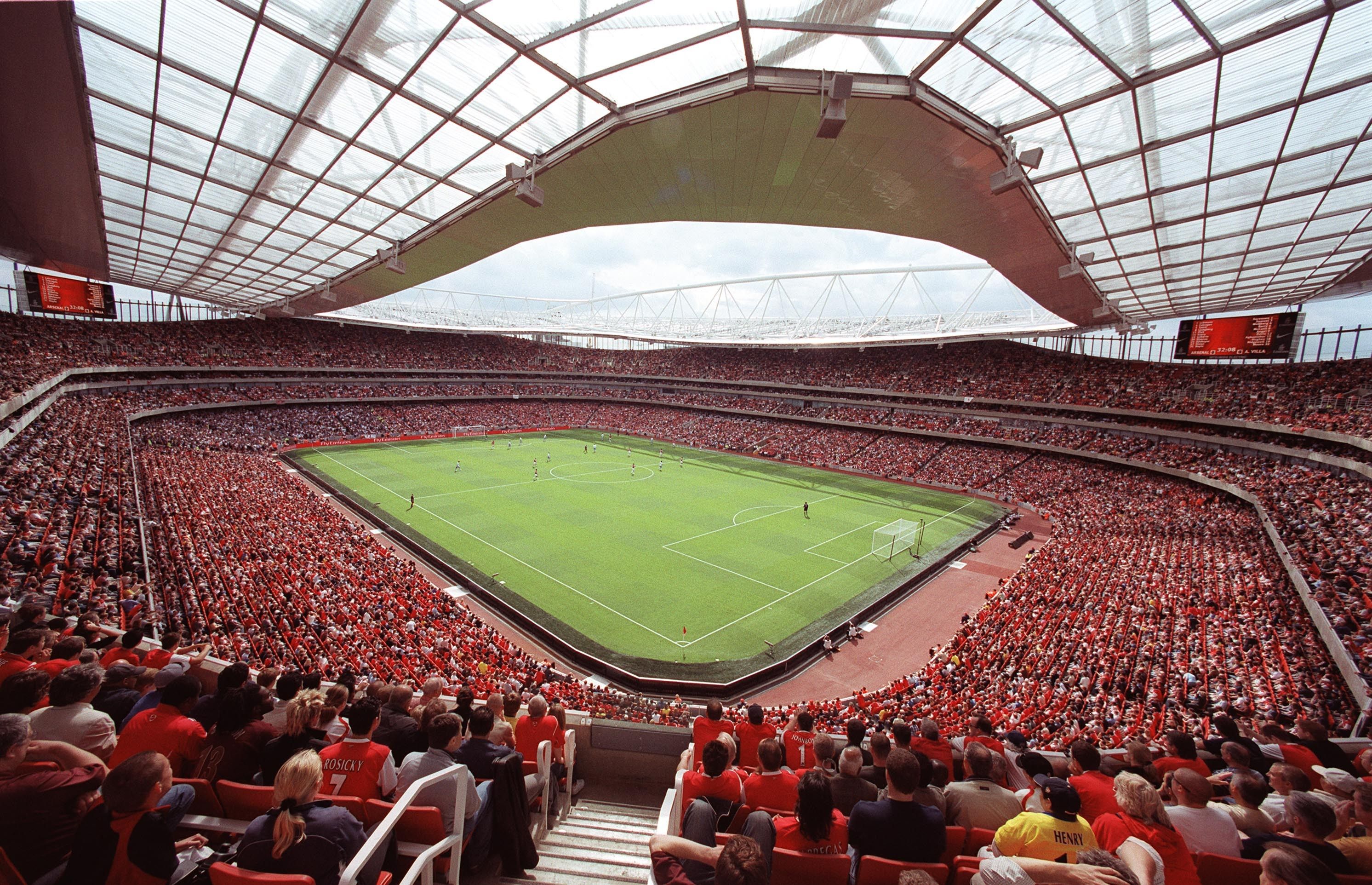
The Emirates divides opinion in a way that very few grounds at this level still manage to. It is undeniably impressive — vast, well-organised, architecturally coherent in a way that most modern grounds are not — and yet there is a persistent, nagging feeling among a certain generation of Arsenal supporter that something was lost when they left Highbury. As a groundhopper, you come here knowing exactly what you are going to get: a big, modern, corporate bowl that does almost everything right and almost nothing that surprises you. The argument for visiting is not that it will move you the way a crumbling lower-league ground might. It is that at its best, with 60,000 people inside it and Arsenal in full flow, it is one of the loudest and most visually striking grounds in the country. That counts for something.
The Place That Made Them
Arsenal are a north London club in the way that only north London can produce — cosmopolitan, self-assured, occasionally insufferable, and genuinely beloved by a huge swathe of the city. Ashburton Grove, as the locals still call it, sits in Islington, wedged between Holloway Road and Drayton Park in a dense residential neighbourhood that was, until the early 2000s, a waste transfer station. The club's roots are in Woolwich, south of the river, but they have been north London since 1913 and the identity is now inseparable from this part of the city. Highbury — the old ground, a few hundred metres away — still stands, converted into flats, and you walk past it on the way in if you come from the right direction. That proximity is either poignant or pointed, depending on your view of the move.
First Impressions
The approach from Drayton Park station is the best way to arrive. You come around the corner and the ground rises up in front of you — a continuous wrap of red and white cladding, smooth and deliberate, with the four corner floodlight towers giving it a shape that reads as a proper football ground rather than a retail park. The exterior is genuinely well done. Inside, the bowl is steep and tight, which is the ground's great saving grace. The upper tiers lean in aggressively, and the roof traps noise in a way that a shallower design would not. The pitch — known to some as the Carpet, and the nickname is earned — is immaculate, a 105 by 68 metre surface that is consistently among the best-kept in the Premier League. The Clock End and the North Bank face each other across it; the East and West Stands are the main seated tiers, the West Stand housing the directors and the tunnel. There are no pillars, no obstructed views, no quirks of Victorian engineering to navigate. What you get is clarity and scale.
What Away Fans Get
Away supporters are housed in the upper tier of the Clock End, which is about as good as it gets in a ground of this size. The view is excellent — high up, central enough, with a clear sightline to the far end. The seats are the standard modern fare, but the rake is steep enough that you are genuinely watching football rather than the back of someone's head. The allocation is typically around 3,000, which fills the section and generates real noise when the travelling support is up for it. Arsenal fans are not, on the whole, hostile to away supporters in the way that some grounds can be — there is a certain confidence that comes with being a big club at home, and it tends to manifest as indifference rather than aggression. The concourses are wide and well-lit, the facilities are modern, and the stewarding is professional if occasionally over-zealous. You will not have a bad time here. You may not have a memorable one either, but that is a different complaint.
Arriving
You have options, which is one of the genuine advantages of this part of north London. Drayton Park on the Overground is five minutes' walk and the most direct route — the station is small and the crowds funnel out onto Drayton Park road and straight towards the ground. Arsenal tube station on the Piccadilly line is equally close, about five minutes, and was renamed from Gillespie Road in 1932 specifically for the club — one of the few tube stations in London named after a football club. Holloway Road is six minutes in the other direction. Highbury and Islington is a longer walk, around thirteen minutes, but it gives you the chance to pass the old Highbury ground on Avenell Road, which is worth doing at least once. Driving is not recommended — the residential streets around the ground are permit-only on matchdays and the surrounding roads are predictably chaotic.
How They Got Here
The arc of Arsenal's story is one of the most written-about in English football, but the version worth telling for a groundhopper is this: a club that spent the best part of a decade building a new ground while simultaneously trying to compete at the highest level, and came out the other side having achieved the ground but lost the competitive edge in the process. The Wenger years at Highbury — the Invincibles, the back four, the football that made neutrals stop and watch — gave way to a transitional period at the Emirates that lasted longer than anyone expected. The ground was funded partly through the commercial revenues that a 60,000-seat venue generates, and the financial discipline required to service that debt shaped the squad for years. What followed was a long rebuild, a return to the Champions League, and under Mikel Arteta a genuine title challenge that reminded a generation of supporters what it felt like to believe again. The Emirates has not yet hosted a league title celebration. That absence sits at the centre of everything.
The Full Day Out
The pub situation around the Emirates is dense — this is inner north London, and there is no shortage of options within a ten-minute walk. Since all away-friendly status is unconfirmed for the pubs nearby, use your judgement on what you're wearing and who you're with, particularly on derby days.
- The Drayton Park Arms (66 Drayton Park, N5 1ND) — right on the main approach from the station, rated well and likely to be busy from early doors on matchday.
- Highbury Library (66A Drayton Park, N5 1ND) — next door to the Drayton Park Arms and one of the highest-rated boozers in the area; worth a look if the first one is rammed.
- Tollington Arms (115 Hornsey Road, N7 6DN) — on Hornsey Road itself, close to the ground, a proper local with a good reputation.
- The Swimmer at the Grafton Arms (13 Eburne Road, N7 6AR) — slightly further out but highly rated; a good option if you want something a bit quieter before kick-off.
- House of Hammerton (99 Holloway Road, N7 8LT) — a Hammerton brewery pub on Holloway Road, well regarded and a cut above the average matchday boozer.
- The Plimsoll (52 St Thomas's Road, N4 2QQ) — near Finsbury Park, a well-liked local that draws a mixed crowd and is worth the slightly longer walk.
Inside the ground, the food and drink offering is what you would expect from a Premier League venue of this size — functional, expensive, and not the reason you came. The pies are fine. The programme is a glossy production that tells you less than you would learn from ten minutes on a decent Arsenal blog. The noise, when the ground is full and the team is playing well, is the real thing — the steep upper tiers do their job, and a packed Clock End in full voice is a reminder that 60,000 people, properly roused, can make a modern bowl feel like something more than the sum of its parts.
Track every ground you visit
Log your visits, discover new grounds nearby, and see your groundcount grow.
| Download on the App Store | Get it on Google Play |