Elland Road — Leeds United
Elland Road is raw, loud, and unapologetically Leeds. One of English football's most charged atmospheres, in a ground that still feels like it means something.
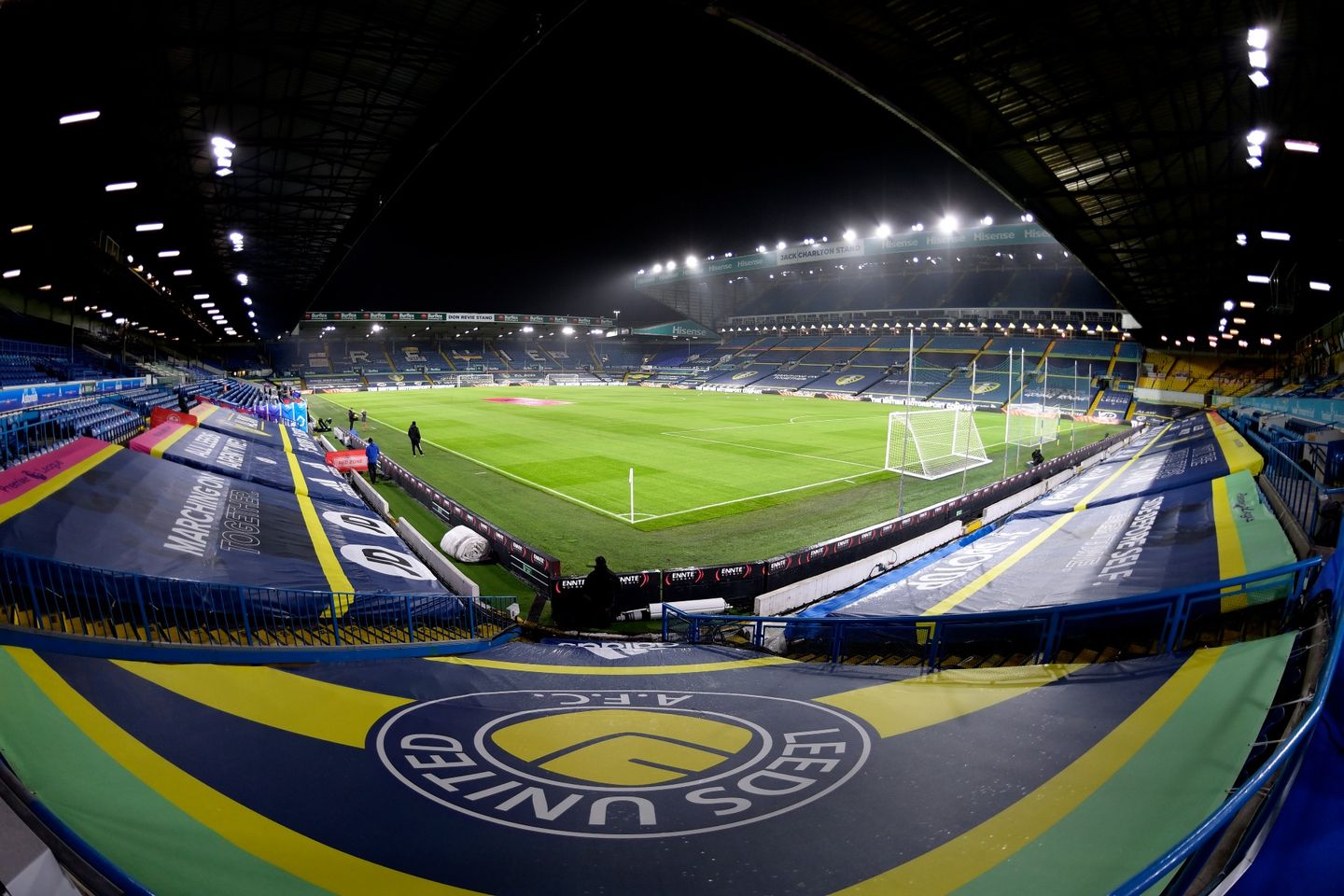
Elland Road doesn't do neutral. From the moment you turn off the dual carriageway and see those floodlight pylons rising above the rooftops of Beeston, you know you're somewhere that takes football seriously — sometimes too seriously, and that's precisely the point. This is a ground that has hosted European nights, title races, and some of the most ferocious atmospheres English football has produced. It has also endured years of hurt, mismanagement, and lower-league obscurity. All of that is still in the walls. A groundhopper comes here not just to tick a box but to feel what a football ground is supposed to feel like when a city genuinely cares.
Where They Come From
Leeds is the largest city in England without a top-flight title to its name in the modern era — though it came agonisingly close in 1992 — and that tension runs through everything about this club. It's a city that has always felt slightly overlooked by the southern establishment, and Leeds United have worn that chip on their shoulder like a badge of honour. The club draws from a wide catchment: the terraced streets of Beeston and Holbeck immediately around the ground, the suburbs stretching out to Morley and Pudsey, and a fanbase that extends deep into West and North Yorkshire. There's no Premier League rival within easy reach — Bradford City and Huddersfield Town are neighbours but not genuine threats to Leeds's dominance of the county's footballing identity. This is a one-club city in all the ways that matter.
Four Sides
Elland Road is a proper football ground — asymmetric, imposing, and built in layers over more than a century. The East Stand is the dominant structure, a vast two-tiered stand that runs the full length of the pitch and houses the bulk of the home support. It was opened in 1993 and still looks the part, though the years have given it a slightly weathered dignity. Opposite it, the West Stand is older and lower, with a distinctive cantilevered roof that keeps the noise in rather than letting it escape skyward. The South Stand — the Kop end — is where the atmosphere concentrates, a single-tier covered terrace that generates the kind of noise that makes the hairs on your arms stand up when Leeds are pushing for a goal. The North Stand, at the away end, is a more functional two-tier structure. The floodlights are old-school corner pylons, four of them, and they give the ground a silhouette you'd recognise from a mile away. The pitch sits slightly below street level, which means the moment you walk through the concourse and see the green of the grass open up in front of you, there's a genuine drop — a reveal. It never gets old.
Away Day Reality
Away fans are housed in the upper and lower tiers of the North Stand, and the honest truth is that it's a mixed experience. The view from the upper tier is excellent — you're high enough to see the whole pitch clearly, and the sightlines are good. The lower tier is tighter and can feel hemmed in. The concourses are functional rather than comfortable, and the facilities are nothing to write home about. What you do get is the full force of Elland Road's atmosphere directed at you, which is either thrilling or deeply uncomfortable depending on your perspective. Leeds supporters are passionate and vocal, and they make their feelings about visiting clubs known. Come expecting a warm welcome and you'll be disappointed. Come expecting one of the most intense away-end experiences in the Championship — or the Premier League, depending on the season — and you'll leave with a story worth telling.
The Journey In
Elland Road sits in Beeston, about two miles south-west of Leeds city centre, and the most practical way in is by bus from the city centre — several services stop right outside the ground on Elland Road itself, and on matchdays they run frequently enough that you won't be waiting long. The walk from Leeds station is doable at around thirty minutes if you're that way inclined, taking you through Holbeck and along Elland Road itself, which gives you a proper sense of the ground's industrial surroundings. Cottingley station is the nearest rail stop at about nineteen minutes on foot, but services are infrequent, so check the timetable before you commit. Driving is possible but parking near the ground is limited and the post-match gridlock on the A643 is legendary for all the wrong reasons. The bus is genuinely the best option, and the walk along Elland Road in a crowd of supporters, past the Old Peacock and towards the floodlights, is one of the better matchday approaches in English football.
The Arc
The story of Leeds United is one of the most dramatic in English football — a rise to genuine European greatness under Don Revie in the late 1960s and early 1970s, a brief second coming under Howard Wilkinson that delivered the last First Division title in 1992, and then a catastrophic collapse in the early 2000s that saw the club haemorrhage money, sell its best players, and tumble out of the Premier League into administration and eventually League One. The years in the lower leagues were genuinely grim, and the ground felt it — a 37,000-capacity arena hosting crowds of 15,000 on a wet Tuesday in February has a particular kind of melancholy. The return to the Premier League under Marcelo Bielsa in 2020 felt like a genuine resurrection, and the football he produced — relentless, attacking, occasionally chaotic — was everything the fans had been waiting for. The subsequent yo-yo between the top flight and the Championship has kept the tension alive. Leeds United are never boring, and neither is Elland Road.
Before and After
There are several pubs clustered around the ground, though away supporters should be aware that the atmosphere in some of them can be lively on matchdays — use your judgement and read the room before you walk in wearing away colours.
- Billy's Sports Bar (Elland Rd, right by the ground) — a sports bar attached to the ground itself, busy on matchdays and convenient if you want a drink close to the turnstiles.
- THE LUKE ALE INN (Beeston, LS11 8TU) — a short walk from the ground, worth knowing about as an option in the immediate area.
- The Old Peacock (251 Elland Rd, Beeston) — the most famous pub in the Elland Road postcode, sitting almost in the shadow of the ground and one of the oldest parts of the matchday ritual here. It's been serving supporters since before most of the current stands were built, and the name echoes the ground's old nickname, the Old Peacock Ground. Gets very busy before kick-off.
- The Old White Hart (45 Town St, Beeston) — a short walk into Beeston village, a more traditional local with a decent rating and a slightly calmer atmosphere than the pubs immediately outside the ground.
- The Whistlestop (Town St, Beeston) — nearby on Town Street, another option if you want to get away from the immediate matchday scrum.
- The Dragon (150 Whitehall Rd, Holbeck) — further out towards Holbeck, about fifteen minutes on foot, and a reasonable option if you're walking in from the city centre direction.
Inside the ground, the pies are standard football-ground fare — adequate rather than memorable — but the programme is worth picking up if you're groundhopping, as it's one of the better-produced ones in the division. The South Stand on a big matchday is where the noise comes from, and when Elland Road is full and Leeds are in the ascendant, there are few louder grounds in England. That's not a claim made lightly after 600-odd grounds. It's just true.
Track every ground you visit
Log your visits, discover new grounds nearby, and see your groundcount grow.
| Download on the App Store | Get it on Google Play |