Kenilworth Road — Luton Town
Cramped, eccentric, and utterly unrepeatable: Kenilworth Road is the kind of English ground that reminds you why groundhopping exists in the first place.
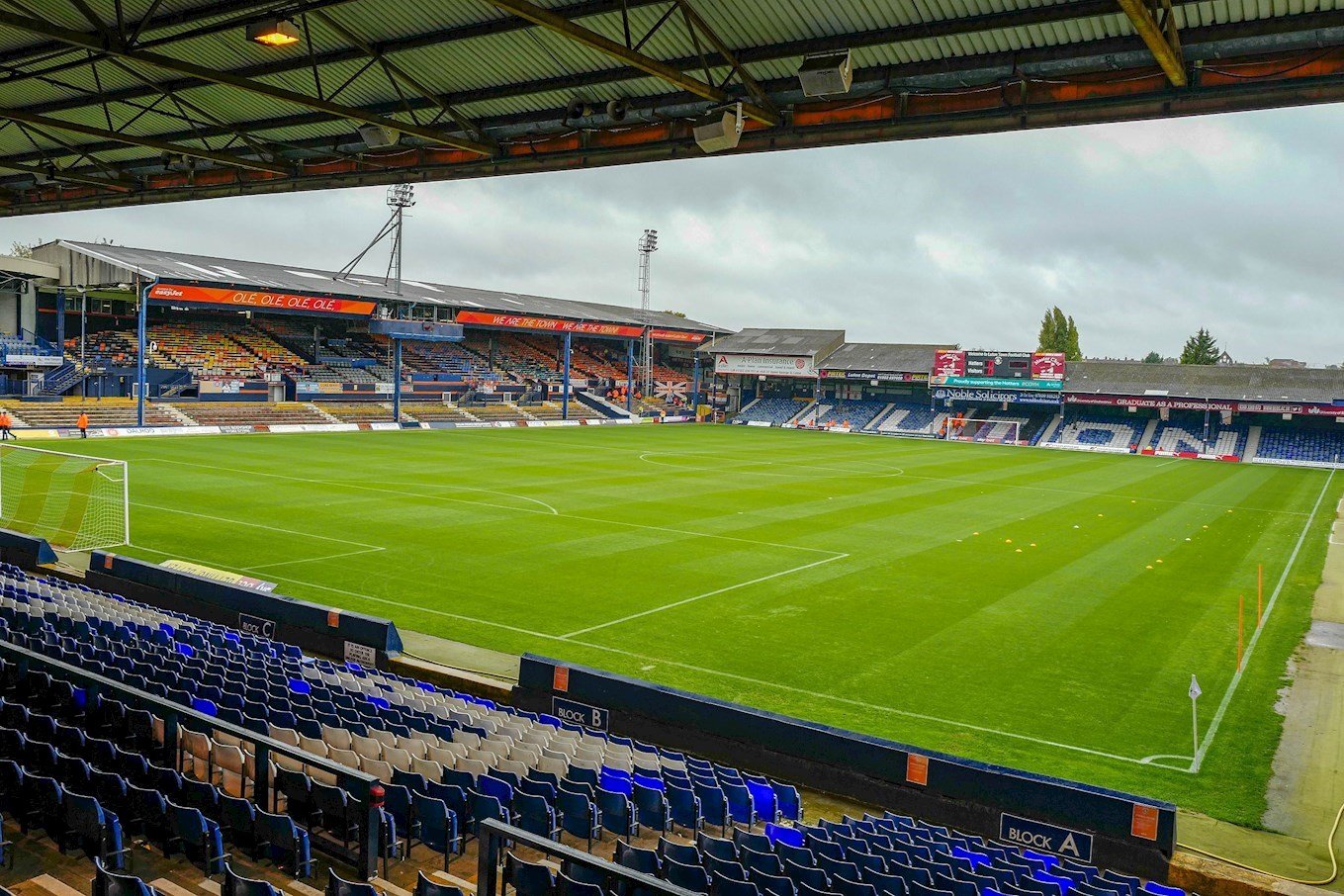
There are grounds that impress you and grounds that get under your skin. Kenilworth Road does neither in any conventional sense — it just grabs you by the lapels and refuses to let go. In an era when clubs are forever chasing the clean sightlines and concourse space of a new-build, Luton Town sit inside something that feels like it was assembled over a century by people who were just getting on with it. That, improbably, is exactly the point.
Where They Come From
Luton is a working town — manufacturing, logistics, the airport — and it has never pretended otherwise. It sits in Bedfordshire at the southern end of the Midlands commuter belt but feels distinct from the glossier Home Counties towns nearby. Bury Park, the tight residential neighbourhood that wraps around Kenilworth Road, is one of the most densely populated districts in the country. The ground doesn't stand apart from this community; it's embedded in it. Houses press against the stands. A row of terraced homes forms one boundary. You don't build anything like this intentionally. You arrive at it, slowly, over a hundred and twenty years.
Four Sides
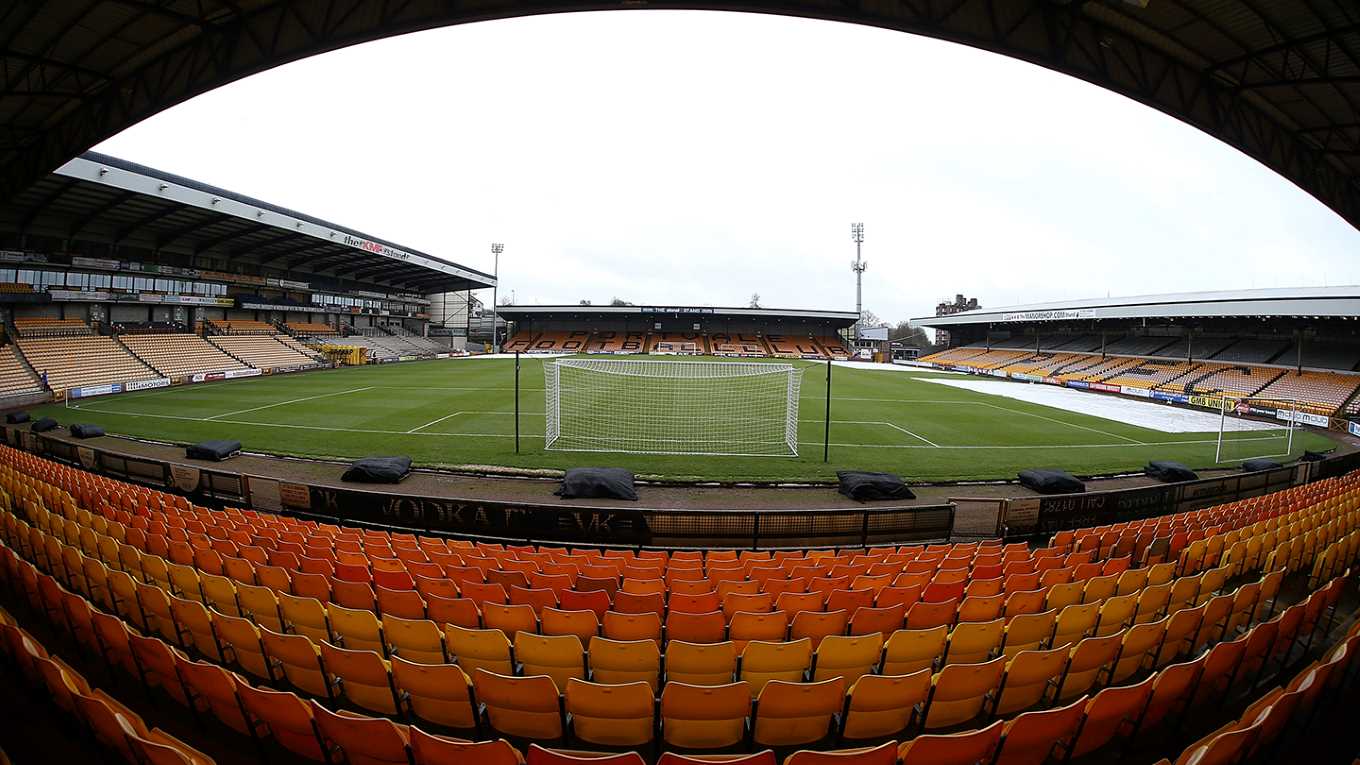
Kenilworth Road is, without question, one of the most structurally peculiar grounds in English football. The Main Stand runs along one side — old, low-slung, seats close to the pitch and the roof close to your head. Opposite it, the Kenilworth Road Stand (the Eric Morecambe Stand, as it's also known, though few call it that consistently) is a more modern covered seated structure, but it's the Oak Road and Maple Road ends that tell you everything about this place. The away end — Oak Road — sits behind a terrace of houses in a way that genuinely stops you short the first time you see it. There's a narrow passage, a few stairs, and suddenly you're looking at a football pitch through a frame you wouldn't believe if someone described it without a photo. The Maple Road End is home terracing, covered and compact. Floodlights on four corner pylons, proper old-fashioned ones. The pitch dimensions are tight — 101 by 66 yards — and you feel every yard of it from every angle inside.
Away Day Reality
The Oak Road End is covered and gives a decent enough view of the pitch, but let's be straight with you: it's a small allocation, the sightlines are functional rather than excellent, and you'll want to get there early if you like standing somewhere you can actually move. Access runs partly through a residential street and past the back of terraced houses — which is charming in a mad sort of way, though you might not feel charmed if you're wet and late. Facilities are basic. The matchday atmosphere from the home support is fierce enough that the away end tends to get properly bounced around on a big night, which is no bad thing. Hostile but not unpleasant. Home fans treat away supporters the way most people treat them — with indifference punctuated by occasional noise.
The Walk In
Luton train station is your starting point, and it's around sixteen minutes on foot to the ground — a straightforward enough walk through town and then into Bury Park. The route takes you through a lively high street before the streets tighten up and become residential. If you know you're looking for Maple Road East, you'll find it; if you don't, just follow the crowd in away colours, who are generally heading the same direction and looking equally uncertain. There's street parking in the surrounding residential streets if you're driving, but the area fills quickly and the road layouts are a bit tangled — public transport is the better call. There's also a bus stop on Clifton Road about three minutes from the ground, which is useful if you're coming from elsewhere in town.
The Arc
Luton's story has enough drama to fill a decent paperback. They were in the First Division for much of the 1980s, reached the League Cup final in 1988 and won it, and had a top-flight stint that included genuine European football. Then came the fall — administration, a points deduction, relegation out of the Football League altogether in 2009, and a stint in non-league that humbled the whole club. The rebuild was slow and occasionally painful, but the 2023 promotion to the Premier League via the play-offs — back in the top flight for the first time since 1992 — was the kind of footballing story that transcends club loyalty. That they played Premier League football at Kenilworth Road, this ten-thousand-capacity relic tucked into a Bedfordshire suburb, made it all the more remarkable. They were relegated again in 2024, but nobody's pretending the story is finished.
Before and After
The pub situation around Kenilworth Road is complicated by the ground's residential setting and the predominantly Muslim character of Bury Park, which means fewer options in the immediate vicinity than you'd find at most grounds of this size. Your best bet is to drink in Luton town centre before making the walk up — there are options around the station and George Street worth exploring before kick-off. Don't leave it too late; sixteen minutes is the minimum and the streets slow down on a matchday. Inside the ground, the food is what it is — the Hatters have never been on any groundhopper's pie pilgrimage, and that's fine. Pick up a programme, which is worth a read, and make sure you're in position before the home end gets going — the Maple Road terrace generates genuine noise in a compact space, and that's what you came for.
Track every ground you visit
Log your visits, discover new grounds nearby, and see your groundcount grow.
| Download on the App Store | Get it on Google Play |