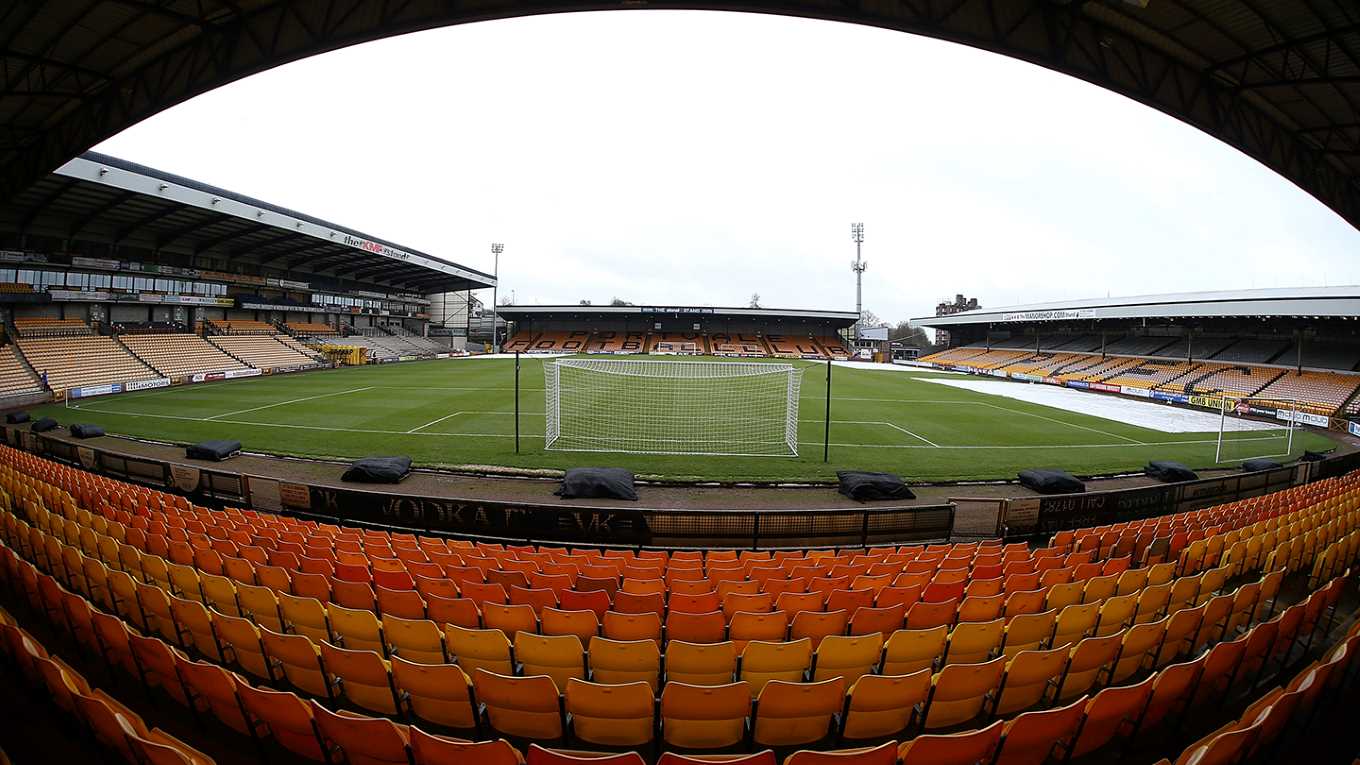
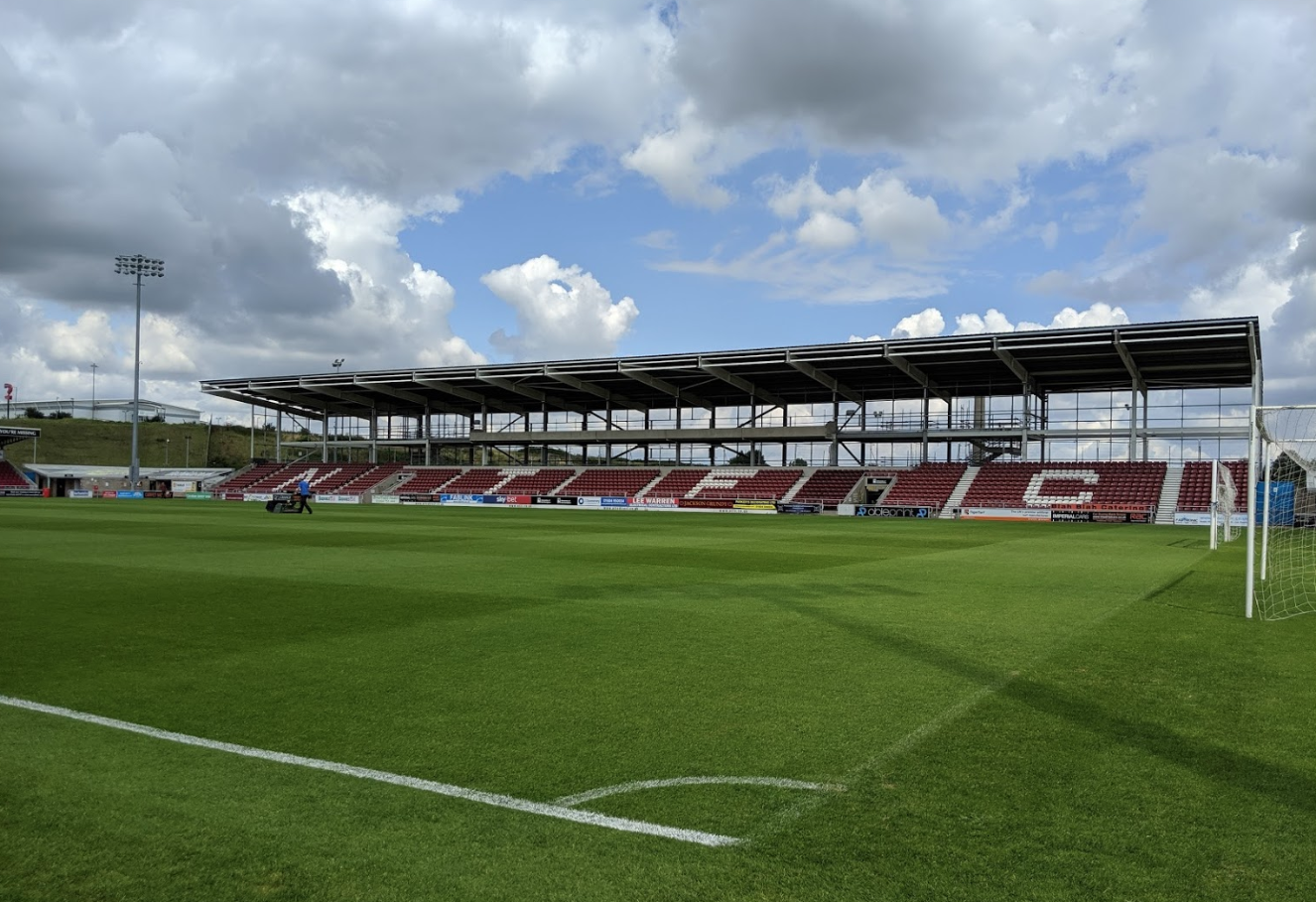
Bet365 Stadium — Stoke City
A 30,000-capacity ground on the edge of the Potteries that replaced the Victoria Ground in 1997. Functional, exposed, and properly loud when Stoke are up for it.
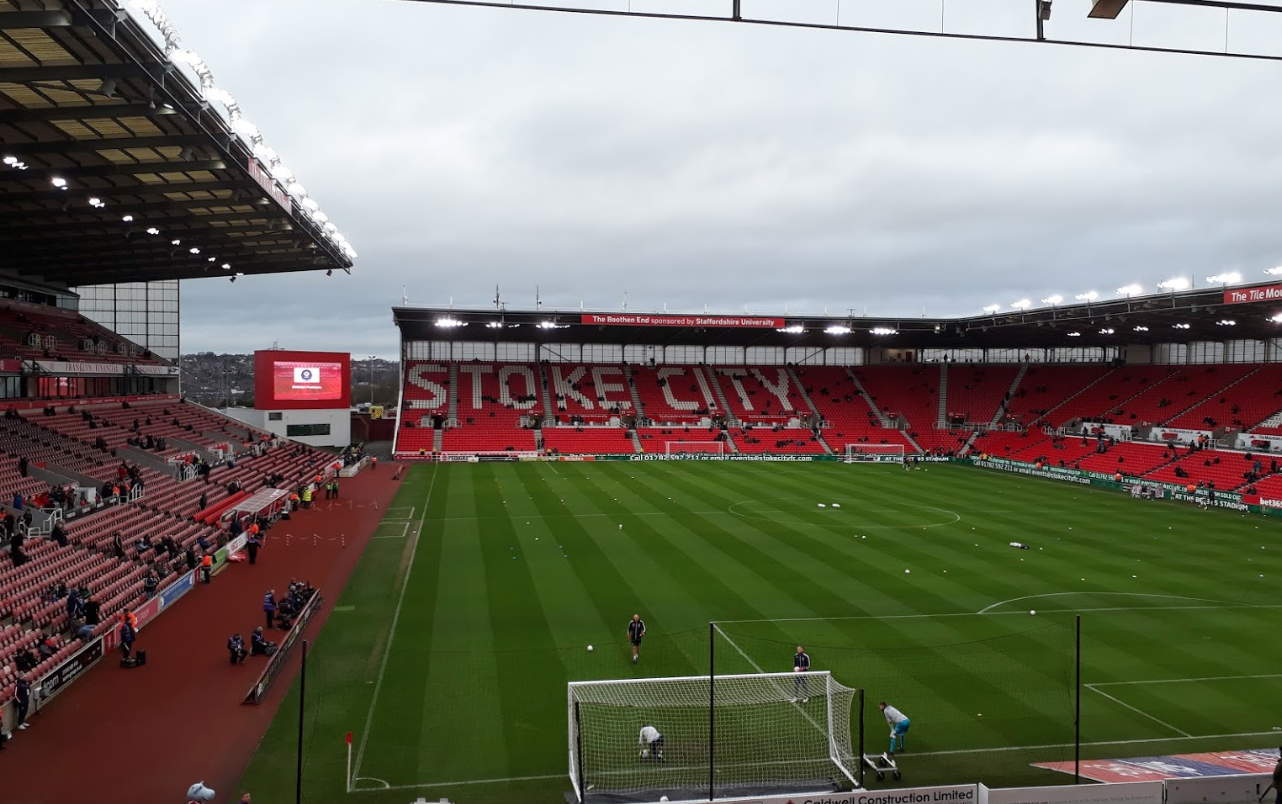
The Bet365 Stadium divides opinion among groundhoppers and that, funnily enough, is what makes it worth visiting. Built in 1997 on the fringe of the city near the A500, it lacks the organic clutter of an old-town ground — no terraced houses pressed up against the back of the stand, no ancient boardroom with Victorian cornicing — but it more than compensates when thirty thousand Potters fans are in full voice and the wind is howling across the Staffordshire plain. This is not a ground that charms you quietly. It hits you.
Where They Come From
Stoke-on-Trent is the Potteries — six towns fused into one city, shaped by kilns and coal and a particular stubbornness that you either understand immediately or never quite do. Wedgwood and Spode are in the bones of this place. So is Stoke City. The club doesn't belong to a leafy suburb or a gentrifying city centre; it belongs to Burslem and Fenton and Longton, to the potbanks and the terraces, to a kind of working-class pride that has very little patience for pretension. When Tony Pulis rebuilt the club on directness and physicality, it made perfect sense here. When they played continental football under Mark Hughes, the locals tolerated it up to a point and then made their feelings plain. The club reflects the city and always has.
First Impressions
The ground sits in a flat retail and industrial belt just off the A500 — the dual carriageway that locals call the D-Road. Arriving on foot from the city centre, you pass warehouses and car parks before the ground suddenly fills the skyline ahead of you, four stands of roughly equal height forming a compact bowl. It opened as the Britannia Stadium, went through various commercial iterations, and is now the Bet365 Stadium, though plenty of supporters still reach for Britannia out of habit. Whatever you call it, the structure is the same: a tight, enclosed rectangle with low continuous rooflines that trap noise effectively. The floodlights are modern uprights integrated into the stand roofs rather than old-school pylons, which gives the ground a clean if slightly corporate silhouette. The Boothen End is the traditional home end — Stoke fans packed in behind the south goal, generating the bulk of the noise. The Marston's Pedigree Stand runs along the west side and houses the main facilities. Sight lines throughout are good; this is a ground built in the era when architects had learned the lessons of older bowl designs.
Away Day Reality
Away supporters are housed in the North Stand, allocated a section behind the goal at the end opposite the Boothen. It's covered, reasonably steep, and the view is perfectly decent. The acoustic bowl helps here — you can hear yourselves and, on a good matchday, there's a proper exchange of noise between the two ends. The home support isn't particularly hostile to visiting fans beyond the usual derby occasions, though they'll let you know if your team are getting a hiding. Legroom is adequate rather than generous; the seats are the standard modern bucket type. Concourses are functional and not much more. For away fans, this is a solid mid-table Championship away end — not one of the best in the division but far from the worst.
The Walk In
The nearest train station is Stoke-on-Trent, which puts you on about a 28-minute walk — longer than ideal but not punishing if the weather holds. The walk takes you out through the city centre and along the Stanley Matthews Way approach. Bus services stop directly adjacent to the ground on the A500 corridor, which is genuinely useful and worth using if you're arriving by rail; it cuts the journey significantly. Driving fans will find large car parks on the retail park surrounding the ground, and matchday parking is well organised if not cheap. The key thing to know is that this ground is not walkable from anywhere particularly pleasant — there are no atmospheric back streets, no row of pubs en route to the turnstile. Plan accordingly.
The Arc
Stoke City are one of the oldest Football League clubs in existence, founding members of the Football League back in 1888, and they spent much of their history cycling through the divisions without ever quite fulfilling the size of the city behind them. The golden era under Tony Waddington in the late 1960s and early 1970s — built around Gordon Banks in goal and the mesmerising George Eastham — brought genuine top-flight quality and a League Cup at Wembley in 1972. Then came decades of drift. The real resurrection came under Tony Pulis in the late 2000s, when Stoke won promotion to the Premier League in 2008 and proceeded to spend a decade there, built on physical intensity, set-pieces that terrified opponents, and Rory Delap's extraordinary long throws. The fall from the Premier League in 2018 has been followed by a frustrating Championship spell that has occasionally promised more than it delivered. A club of this size and tradition belongs higher up, and the supporters know it.
The Matchday
The pub situation near the ground itself is thin — the retail park environment around the Bet365 Stadium doesn't lend itself to a pre-match pint, and there are no obvious options within easy walking distance of the turnstiles. Away fans are better served by heading into the city centre before making their way to the ground; there are decent enough options around the station area and along the main drag, though Stoke city centre on a matchday is not Wetherspoons-and-culture territory. Get there early, sort your drink in town, and use the bus. Inside the ground, the catering is standard stadium fare — pies that do the job without inspiring poetry, a programme worth picking up for the nostalgia of it. Where the Bet365 Stadium earns its keep is on the pitch side of the turnstile: when the Boothen End gets behind the team, particularly in the second half of a close match, the noise bounces off that low roof and becomes something genuinely impressive. You won't leave thinking you've been to the most beautiful ground in England. But you might leave thinking it was louder than you expected.
Track every ground you visit
Log your visits, discover new grounds nearby, and see your groundcount grow.
| Download on the App Store | Get it on Google Play |