Home Park — Plymouth Argyle
A proper football ground on the far western edge of English football, where the sea air rolls in and 12,000 Devonians make Home Park feel like the centre of the world.
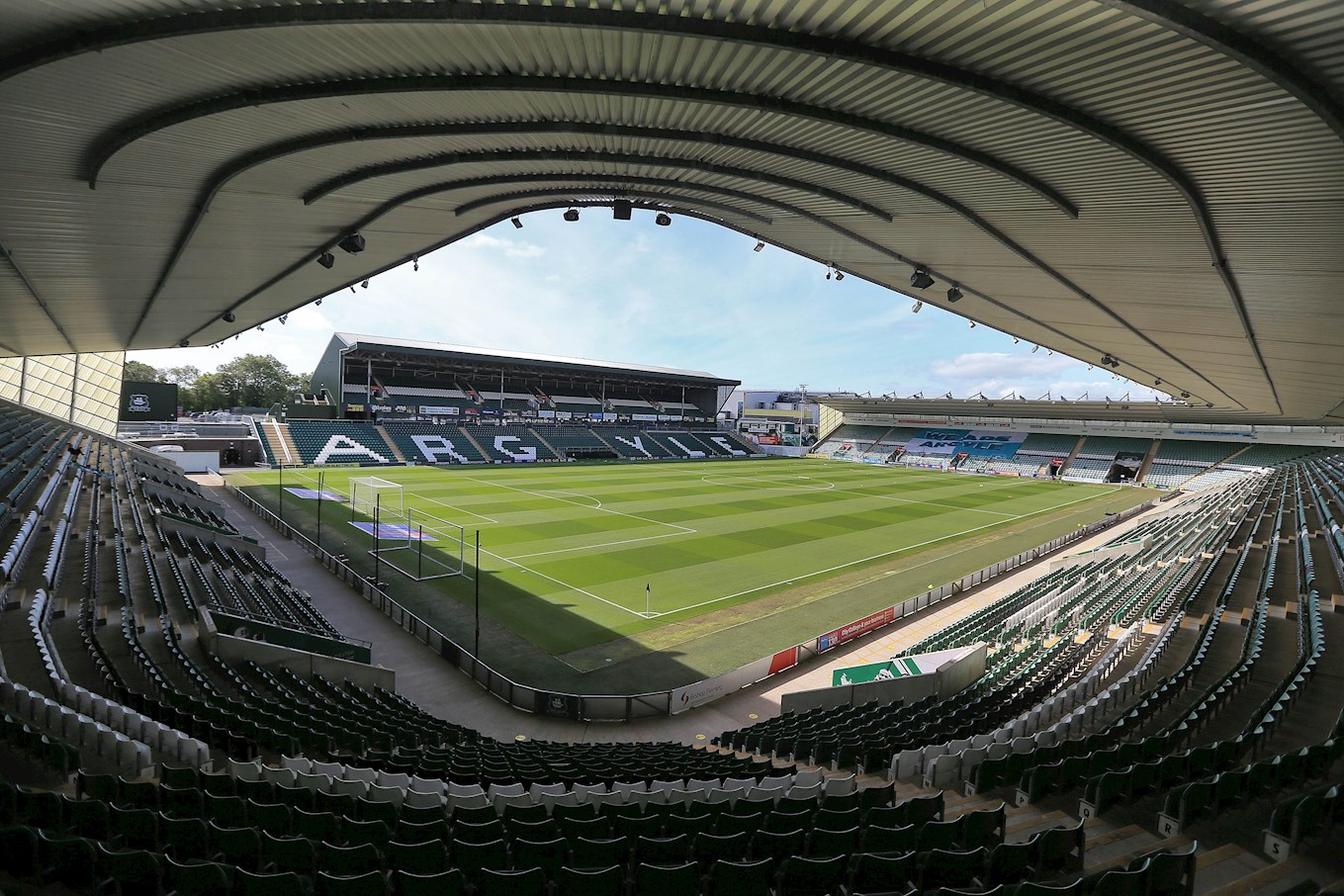
Plymouth is about as far as you can get from the Premier League — geographically, financially, and in atmosphere — and Home Park is all the better for it. This is a ground that demands you make a genuine effort to reach it, and the effort is repaid. When it's full and the Devonport End is in voice, there is nowhere quite like it in the lower reaches of English football.
The Place That Made Them
Plymouth sits at the tip of Devon, hemmed in by the sea and the moor, closer to Brittany than Birmingham, and that isolation has always shaped Argyle's identity. There is no rival city nipping at their heels, no bigger club down the road stealing their crowd. Plymouth is Argyle's city completely, and the club reflects that — working port town, naval heritage, a stubborn self-sufficiency. The Pilgrims, as they are known, exist at the far edge of the Football League map, and the supporters wear that distance with pride rather than resentment.
Four Sides
Home Park sits in the Milehouse area, tucked just north of the city centre, and it announces itself like a proper football ground should — floodlight pylons visible from the approach roads, the bulk of the main grandstand giving you a sense of scale before you've reached the turnstiles. The Mayflower Stand is the dominant feature, a modern structure on the western side that gives the ground a lopsided grandeur, while the Devonport End at the northern end is where the noise comes from — terracing that generates a proper racket when Argyle are playing well. The Lyndhurst Road end and the remaining side have a more workmanlike character, but they complete the bowl feel that makes matchdays here feel enclosed and electric when a decent crowd is in. The old corner gaps let in the Devon light, and on a winter afternoon when the floodlights are on and the sky behind the Mayflower has gone dark, Home Park looks exactly as a football ground should look.
For the Travelling Support
Away supporters are housed in the Barn Park End, which offers covered terracing and a decent enough view of the pitch from behind the goal. The rake is reasonable, the sight lines largely unobstructed, and the acoustics are good enough that a vocal travelling contingent can make themselves heard. Argyle fans are generally a hospitable lot — they know what it means to travel enormous distances to away fixtures themselves, so they extend a certain respect to supporters who've made the trip down to Devon. The concourse is functional, the facilities basic but not grim. You've had worse.
The Walk In
Plymouth railway station is about a sixteen-minute walk from the ground, heading up through Milehouse. It is a straightforward walk on largely flat pavements — follow Outland Road north and the floodlight pylons will keep you honest. There are bus stops for the Milehouse Park and Ride right outside the ground, which makes arriving by bus a realistic and painless option from the city centre. Street parking exists in the surrounding residential streets but fills quickly; the park and ride arrangement is genuinely sensible here. If you've come by train from London Paddington, budget three and a half hours each way and consider the trip itself part of the day.
Their Story
Argyle have spent most of their existence doing something unfashionable and admirable: competing at the top of the second tier and occasionally the first, against clubs with vastly more resource, from a city most supporters have never visited. They reached the top flight in 2004 under Paul Sturrock and held their place for three seasons — no small thing given where Plymouth sits on the map. What followed was a painful collapse, administration in 2011, and a long rebuild through the bottom two divisions that tested the loyalty of a support base that had always had to work hardest just to get to away matches. The return to the Championship under Steven Schumacher and then Ian Foster — after League One promotion in 2023 — felt like a genuine reward for a city that had kept showing up through the difficult years.
Pubs, Pies & Matchday
A couple of options sit within easy walking distance of the ground on Outland Road and Wolseley Road. The nearest pubs available are as follows:
- THE BRITANNIA INN (Outland Rd, Plymouth PL2 3BH) — a short five-minute walk from the ground; away-friendly status unknown, so use your judgement on derby days.
- The Britannia Inn - JD Wetherspoon (1 Wolseley Rd, Milehouse) — the Wetherspoon option for those who want reliability and cheap prices; rated well locally and handily placed for the ground.
Inside, the pies are unremarkable but hot, which in Devon in November is sufficient. The programme is worth picking up — Argyle put effort into theirs. The Devonport End is the stand to listen for; when it gets behind the team in the second half of a tight home fixture, you understand immediately why people make this trip.
Track every ground you visit
Log your visits, discover new grounds nearby, and see your groundcount grow.
| Download on the App Store | Get it on Google Play |