Gtech Community Stadium — Brentford FC
A modern ground that actually got it right — tight, loud, and rooted in a community that refused to let its club be swallowed by West London's bigger names.
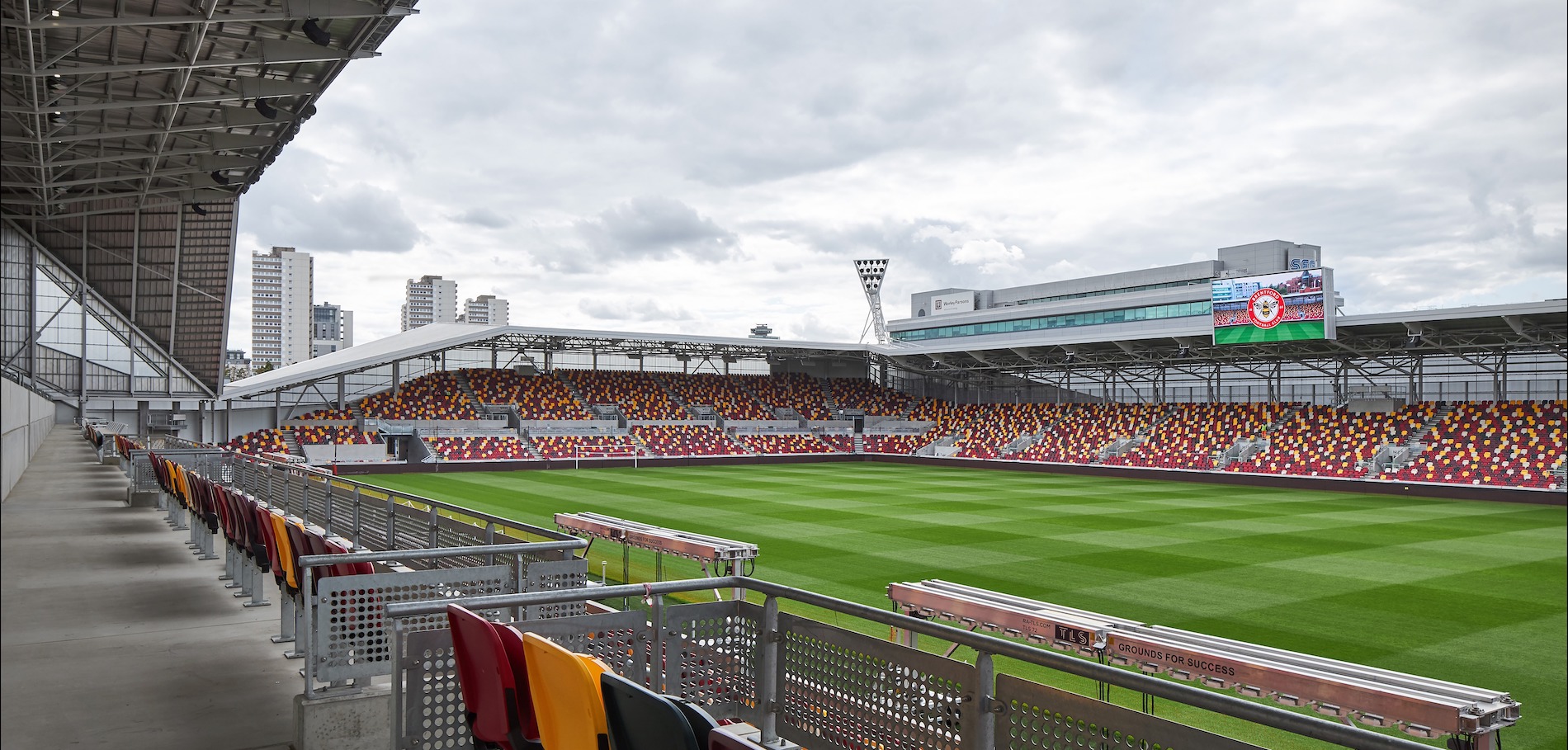
Brentford built a new ground and somehow made it feel like it belonged. That is not as easy as it sounds — plenty of clubs have moved into shiny new bowls and lost everything that made matchday worth attending. The Gtech Community Stadium, opened in 2020, avoided that trap. It is compact, properly enclosed, and when it fills up it generates the kind of noise you associate with grounds half a century older. For a groundhopper coming in with low expectations of a modern build, it is a genuinely pleasant surprise.
Town and Club
Brentford sits in a peculiar corner of West London — hemmed in by the Thames to the south, Kew Gardens to the east, and the gravitational pull of Chelsea, Fulham, Arsenal and QPR pulling supporters in every direction. That they have held their own identity through all of that is a minor miracle. This is not a glamour postcode. It is market town London, river London, the kind of place where the football club is a point of genuine local pride rather than a lifestyle accessory. The community in Community Stadium is not empty branding — Brentford have long been a club with strong supporter ownership history and a reputation for doing things their own way, from their famous data-driven recruitment model to the decision to build a ground they could actually afford.
First Impressions
The exterior is clean without being sterile — brick and steel that makes a nod to industrial West London without being pastiche. It sits tight against the railway line at Kew Bridge, which gives you a proper sense of a ground pressed into an urban space rather than dropped onto a retail park. Inside, the four stands wrap around closely, with the roof pulled low to keep noise in. The corners are filled in, which matters enormously — open corners bleed sound and atmosphere, and whoever designed this understood that. Floodlights are built into the roof structure rather than standing as separate pylons, which is modern and functional if less visually dramatic than the old four-pylon setup. The pitch sits slightly below street level, which helps the lower tiers feel genuinely close to the action.
For the Travelling Support
Away fans are housed in one end behind the goal, with a good-sized allocation and a covered terrace option depending on the fixture. The sight lines are excellent — this is a ground built to watch football from, and the away end is no afterthought. You are close to the pitch, the acoustics carry, and if you have brought numbers you will make yourself heard. The separation from home supporters is managed sensibly rather than aggressively. Stewards are generally professional. It is one of the more comfortable away ends in the Premier League, which is a low bar in some grounds but is genuinely meant here.
The Walk In
Kew Bridge station is your best bet — three minutes on foot and you are at the ground, which almost never happens in London. It is on the London Overground and National Rail services out of London Waterloo via Clapham Junction. The walk takes you over the Thames at Kew Bridge, which on a clear evening is a genuinely good few seconds of your day before you duck into the matchday crowd. Gunnersbury is a twelve-minute walk on the District line and Overground if you are coming from central London. Street parking in the surrounding residential streets is tightly controlled on matchdays, so the train is not just advice — it is the sensible choice.
How They Got Here
Brentford spent over a century at Griffin Park, a genuinely beloved ground with a pub on each corner and a history stretching back to 1904. They yo-yoed between the Football League's lower reaches for decades, occasionally threatening a push to the top flight but mostly living in the Championship or League One. Then came Matthew Benham, the data analytics approach, and a slow, deliberate build that culminated in promotion to the Premier League in 2021 — their first top-flight football since 1947. They built a new ground in the same season they went up. The timing felt almost fictional. Griffin Park is gone, turned into housing, but what replaced it is a real football ground. That matters, because it did not have to be.
The Matchday
No specific pubs are listed here with verified away-friendly status, so do your research before you travel. The town centre along the High Street has options, and the stretch near Kew Bridge picks up on matchday, but Brentford is not a big pub town and the volume of Premier League visitors means the decent spots fill quickly. Get there early or sort something in central London before you travel. Inside the ground, the food is better than average for English football — a sensible range, nothing revolutionary, but you will not be eating a cold grey pasty and wondering why you bothered. The home support in the lower tier behind the goal can be properly vocal, and when Brentford are on top the noise bounces around the enclosed stands in a way that reminds you good stadium design is not just about aesthetics. Pick up a programme — they have made an effort with it since the move.
Track every ground you visit
Log your visits, discover new grounds nearby, and see your groundcount grow.
| Download on the App Store | Get it on Google Play |