Bescot Stadium — Walsall FC
A no-frills Black Country ground with its own train station, a loyal set of supporters, and enough character to reward a first-time visitor.
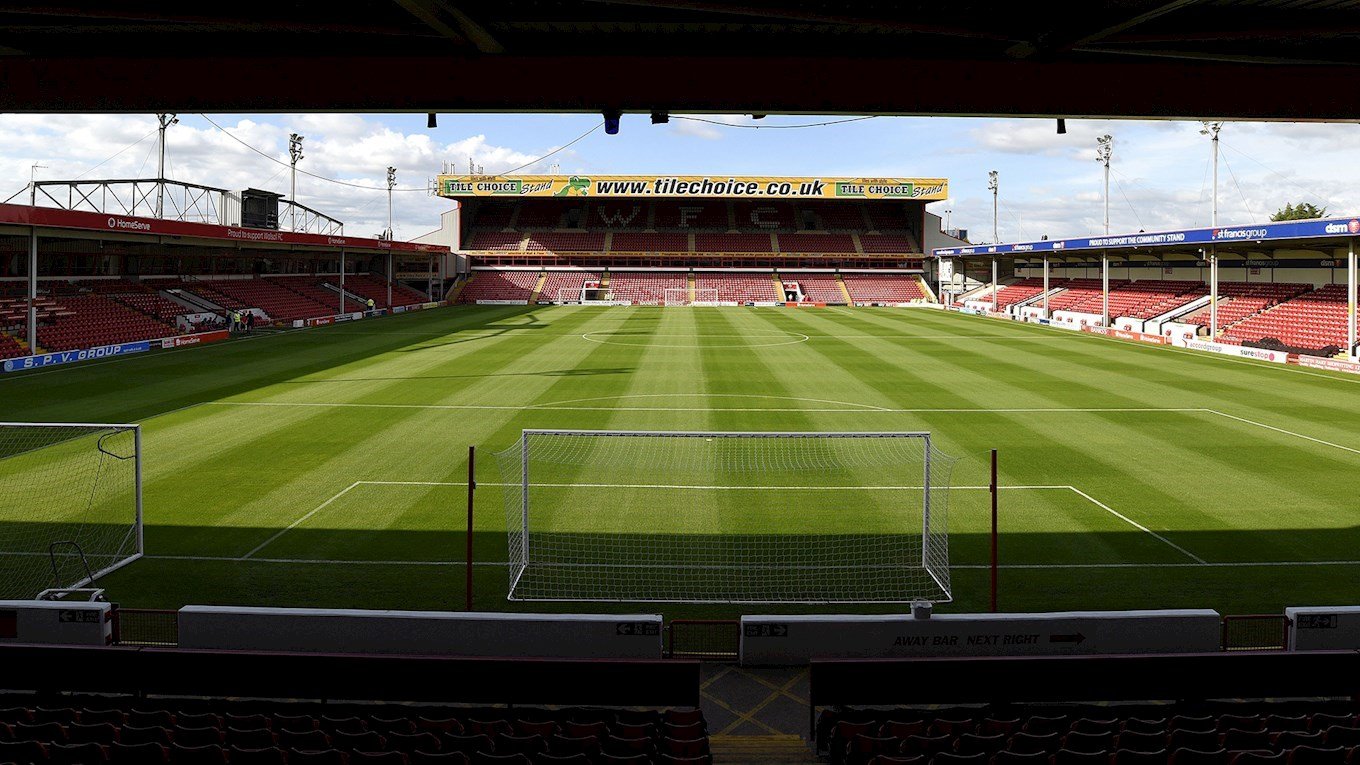
Bescot is the kind of ground that doesn't try to impress you, and that's precisely why it does. It sits beside the M6 on the edge of the Black Country, all corrugated roofs and retail park surroundings, and it makes no apologies for any of it. What you get here is proper, straightforward lower-league football — and a ground that has its own railway station named after it, which puts it in a fairly exclusive club.
Where They Come From
Walsall is a town that gets overlooked, even by West Midlands standards. Sandwiched between Birmingham and Wolverhampton, it doesn't have the size to dominate or the glamour to attract attention. What it has is a stubborn, working-class footballing identity and a fan base that keeps turning up regardless. The Saddlers have spent most of their existence in the third and fourth tiers, with occasional forays into the Championship that felt hard-earned and were celebrated accordingly. This is not a club in the shadow of its neighbours — it's a club with its own story, one that belongs entirely to Walsall.
First Impressions
Pulling into Bescot Stadium station, you can see the ground before you've even got off the train. That's always a good sign. The approach is functional — car parks, the back of stands, a retail estate over the road — but once you're through the turnstiles it settles into something more comfortable. The ground has four reasonably enclosed sides, and the main H.L. Fellows Stand runs along one touchline with a decent rake and a solid roof. The ground has worn a few sponsor names over the years — Banks's Stadium being the one that stuck longest in supporters' vocabulary, with the Poundland and Pallet-Track iterations earning a wry grin — but most people still just call it Bescot. The floodlights are sturdy corner pylons that look like they mean it. Capacity sits at just over eleven thousand, and when it's well populated the noise has nowhere to go but back down onto the pitch, which is exactly how it should be.
Away Day Reality
Away fans are housed in the William Sharp Stand at one end, which is a covered terrace. It's not the biggest allocation and it's not the most glamorous end of the ground, but it does the job honestly. The view is fine, the cover keeps the worst of the rain off, and there's a decent enough vantage point to follow the match. The home support in the neighbouring stands are generally a passionate rather than hostile lot — they care too much about their own team to spend much energy bothering the away end. If you fill your allocation and make some noise, Bescot will give it back to you.
The Walk In
The easiest arrival in English football, if you're coming by train. Bescot Stadium station is on the Walsall line from Birmingham New Street, and four minutes after getting off you're at the turnstiles. It's a genuine luxury that most groundhoppers appreciate the first time they use it. If you're driving, there's parking around the ground but it fills up — arrive early or accept the roadside search. Walsall town centre station is a longer walk of around twenty-five minutes, mostly flat, if you want to pick up a drink before the match.
How They Got Here
Walsall's history is punctuated by one of football's most famous upsets — a third-round FA Cup win over Arsenal in 1933, when the Gunners were the dominant force in the country and Walsall were nobody's idea of a threat. That result echoes down the decades and says everything about the club's capacity for defiance. They moved to Bescot from Fellows Park in 1990, leaving behind a cramped, atmospheric old ground for something purpose-built and practical. The years since have included a remarkable run to the League Cup semi-finals in 1984 under Alan Buckley — when they were a Fourth Division side — and an unexpected spell in the second tier in the early 2000s under Ray Graydon, which remains the high point for most supporters of a certain age. The lean years have come around since, but Walsall carry themselves with the quiet dignity of a club that knows exactly what it is.
The Matchday
The pub situation around Bescot itself is limited — there's not much within easy walking distance of the ground on that retail park stretch of the A454. Your best bet is to either drink near Walsall station in town before making the walk or catching the train, or to head inside the ground early where there are bar facilities. Inside, the pies are the kind of solid, warming effort you'd expect from a Black Country ground on a cold Tuesday — nothing fancy, nothing disappointing. Pick up a programme; Walsall put effort into theirs and it's worth the two minutes it takes to read it at half-time. The ground generates genuine noise when the team are at it, and the home end can be vocal in a way that reminds you why lower-league football, on the right night, beats almost anything you'll find at a bigger ground.
Track every ground you visit
Log your visits, discover new grounds nearby, and see your groundcount grow.
| Download on the App Store | Get it on Google Play |