St James Park — Exeter City
A compact Devon ground where a railway halt sits literally next to the away end. St James Park is old-school English football done properly.
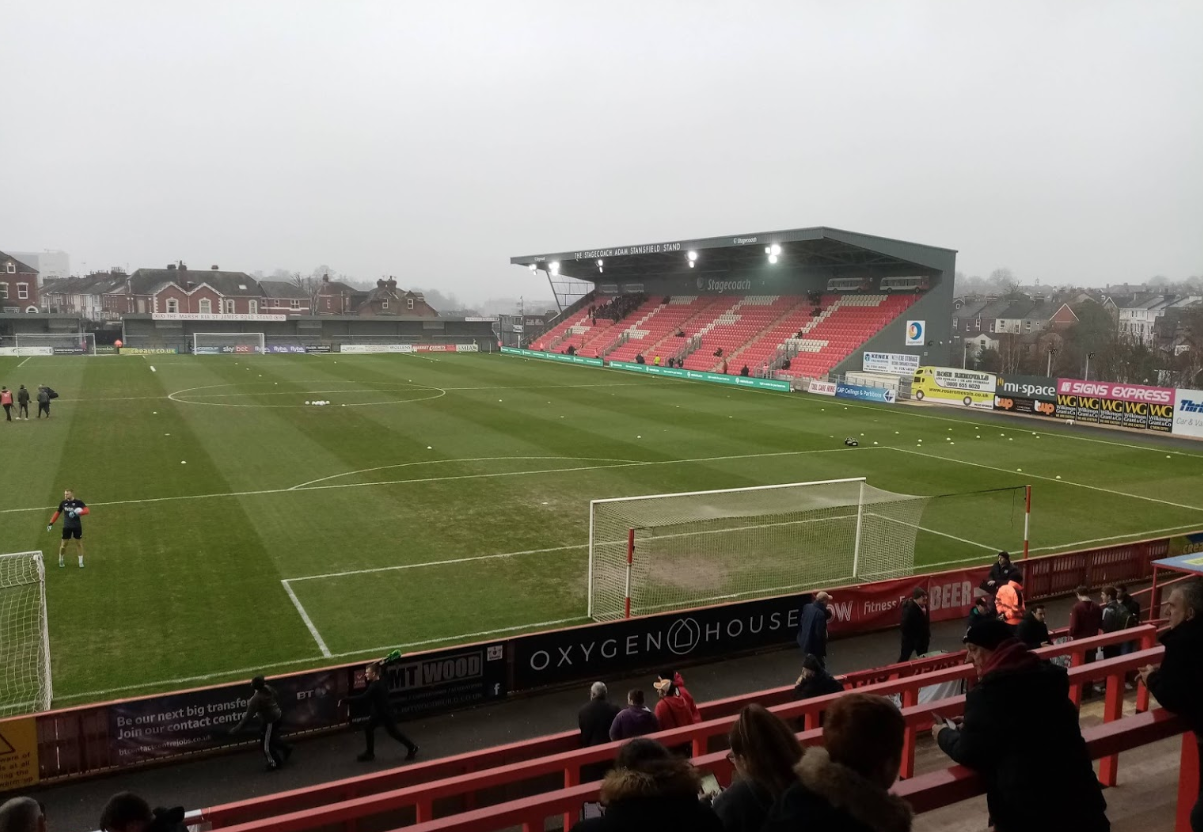
There is a train halt called St James' Park that deposits you on the pavement roughly thirty seconds from the turnstiles. That single fact tells you everything about how embedded this ground is in its surroundings — no retail park approach, no half-mile walk through a car park, just Devon terraced streets and then, immediately, football. At just under nine thousand capacity, St James Park is exactly the kind of compact, creaking, atmospheric lower-league ground that reminds you why groundhopping exists in the first place.
The Place That Made Them
Exeter is a cathedral city in the far south-west, closer to Plymouth than to Bristol, tucked into a corner of England that the football map sometimes forgets. The city has a university, a strong independent streak, and a club that has always felt genuinely local rather than aspirational. Exeter City are not trying to be anyone else. They sit comfortably in League One or thereabouts, pulling support from across Devon and beyond, knowing full well that they will never compete with the Premier League clubs that dominate the national conversation. That self-awareness gives the place a certain dignity. The fans who come here come because of Exeter City, not despite them.
Four Sides
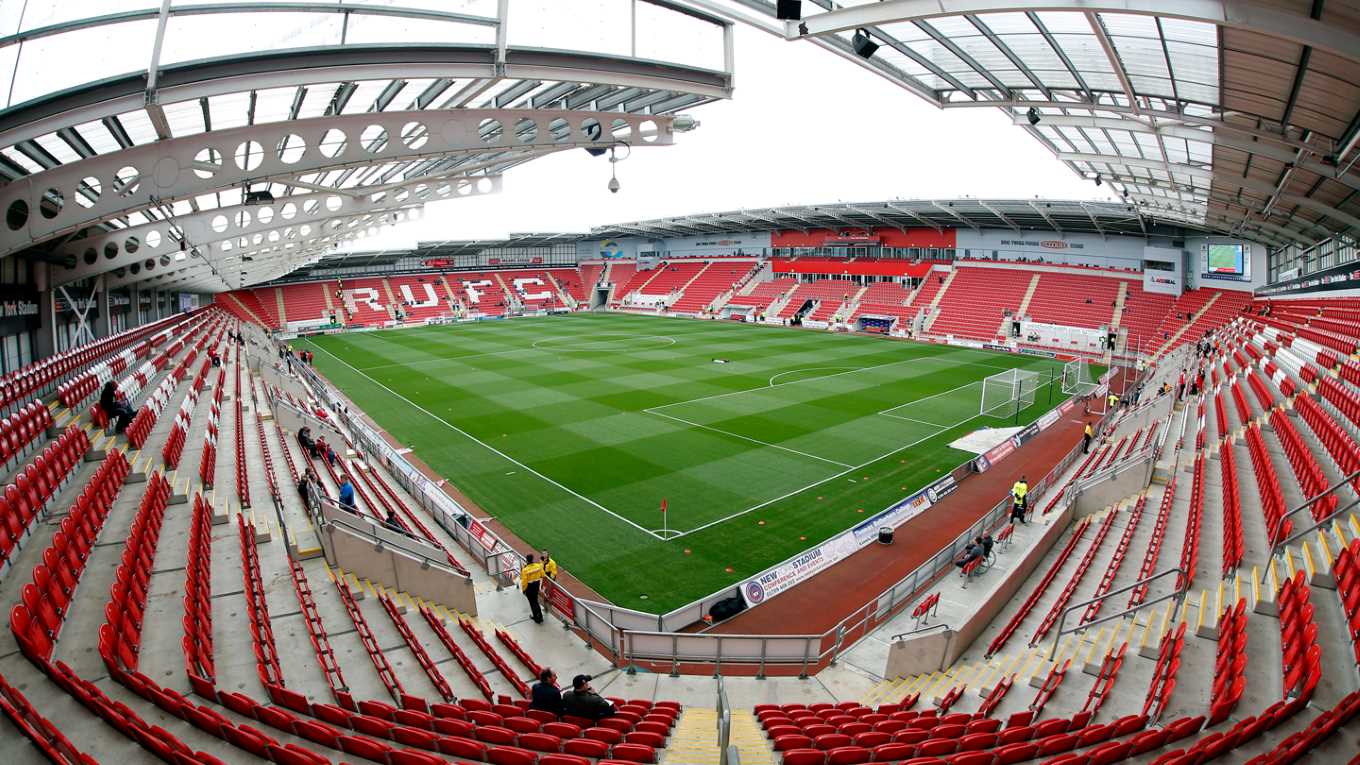
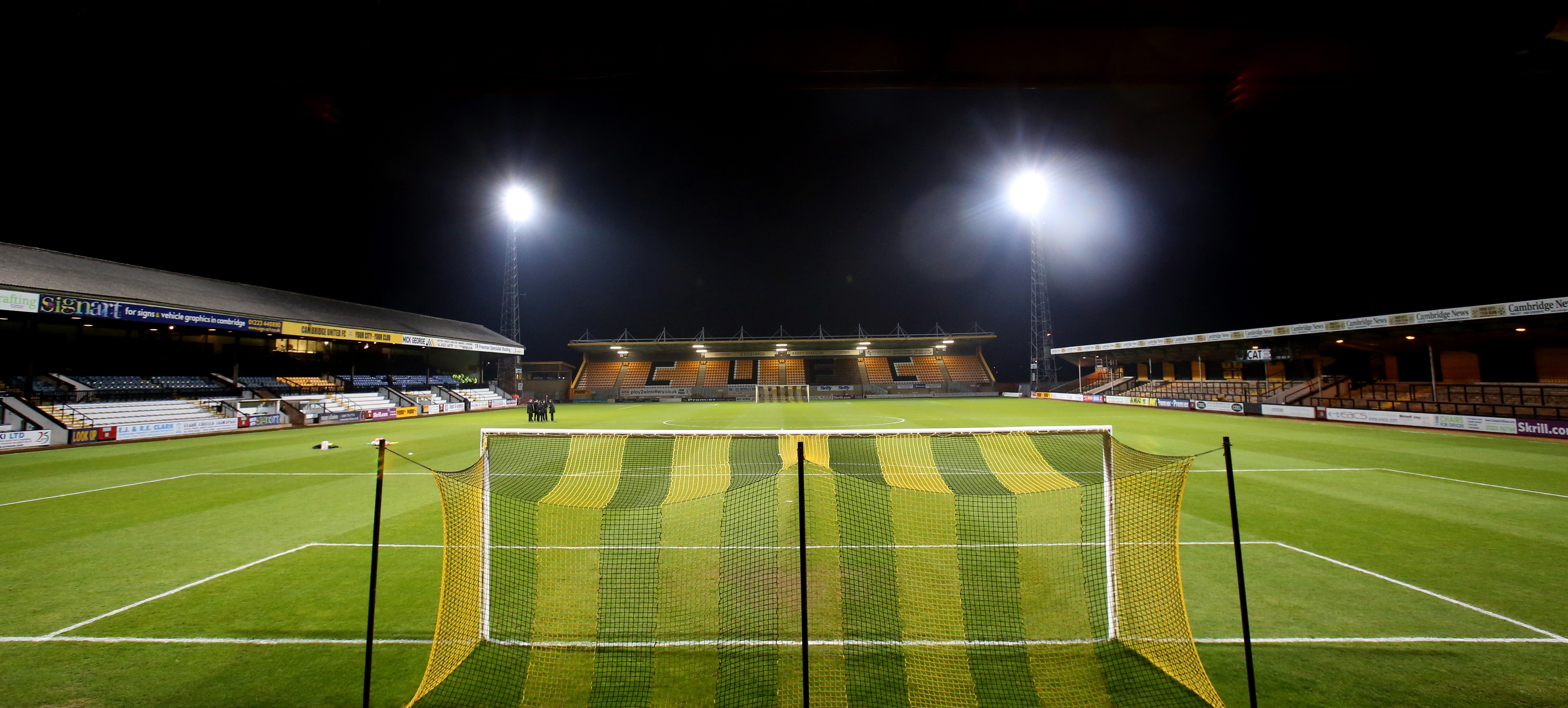
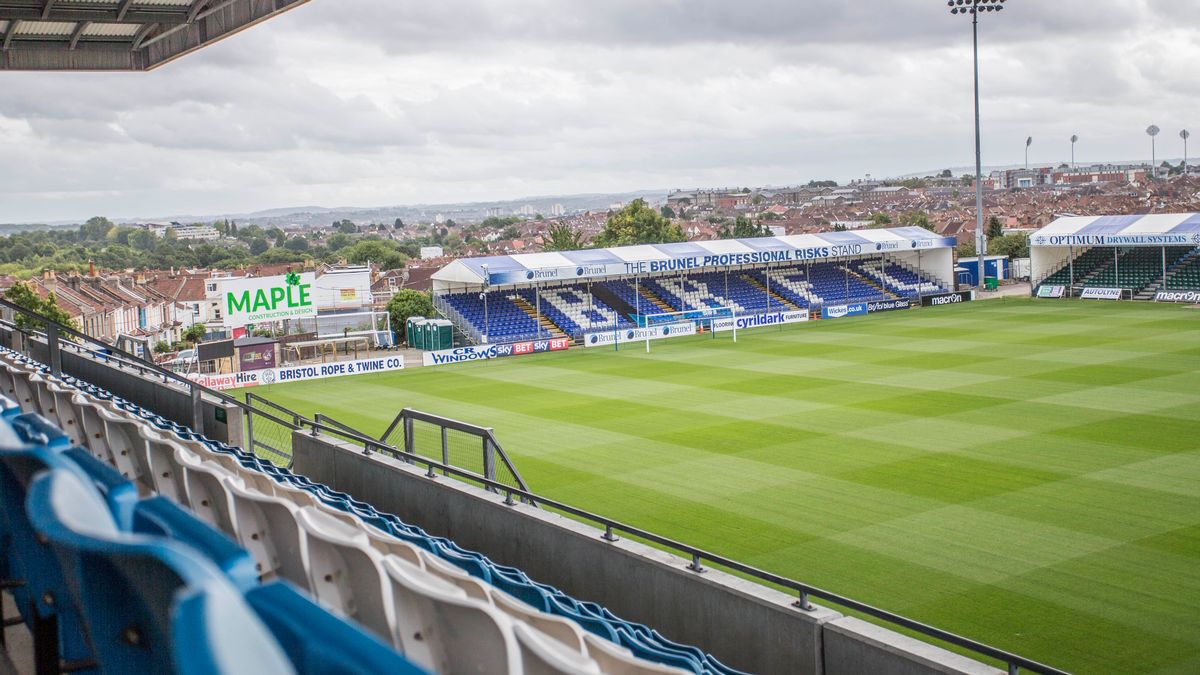
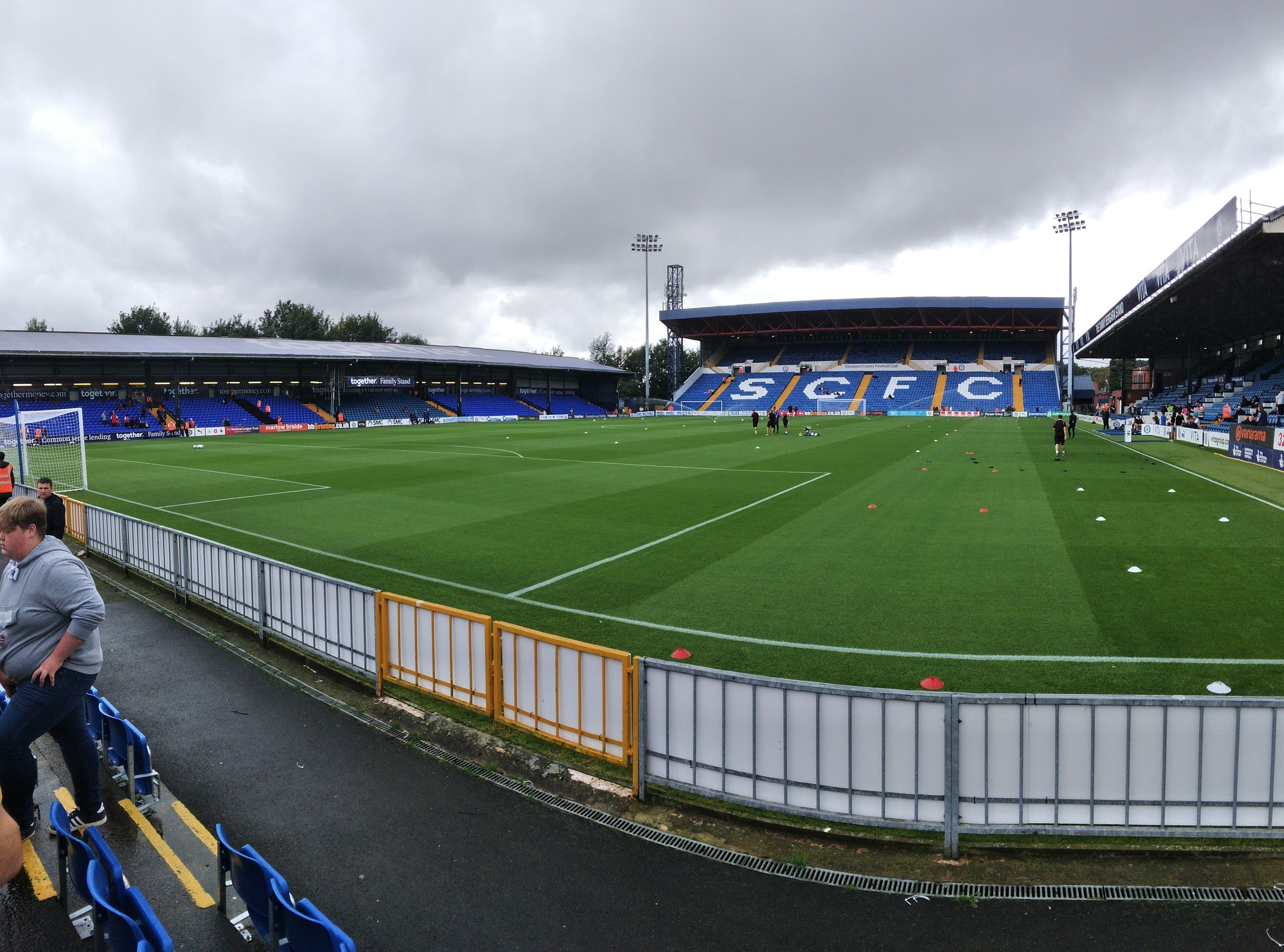
St James Park opened in 1904 and it looks like it has earned every one of those years. The main structure is the Old Grandstand on the south side — a low-slung, covered seated stand with a slightly cramped, intimate feel that you simply cannot replicate in a modern build. Opposite sits the Cowshed, a covered terrace that generates most of the noise on a good matchday, its corrugated roof amplifying every chant. The St James Road End at the north is covered terracing, while the away end occupies the Thatched Pub End to the east, a name that gives you the flavour of the neighbourhood immediately. The floodlight pylons are proper old-school corner-mounted structures, the kind that cast a golden light on a November evening and make the whole scene look like a football photograph from 1973. The pitch at 104 by 64 metres is on the tight side, which suits fast, direct football and means no corner of the ground ever feels disconnected from what is happening in front of you.
For the Travelling Support
Away supporters are housed in the Big Bank End — and yes, it is called that because it is exactly what it sounds like, a substantial open terrace that rises steeply up the bank at the far end of the ground. It holds a healthy number and when it fills up, the vantage point is actually excellent, giving you a clear view down the length of the pitch. The main drawback is that it is uncovered, so if you are heading to Exeter between October and March, bring something waterproof. The slope is steep enough that there is never a bad view, and away ends at Devon grounds have a habit of generating more noise than you might expect given the travelling distance. Exeter's support is respectful towards visiting fans — it is that kind of club.
The Walk In
The St James' Park halt on the Exmouth branch line is the obvious answer. It is a request stop, so make sure the driver knows you are getting off, but it places you literally adjacent to the ground — one minute's walk at the most unhurried pace you can manage. If you are coming from further afield, Exeter St Davids is the main intercity station, about twenty minutes on foot through the city centre, though the halt is worth factoring into your plans if you can. Street parking in the surrounding residential streets is possible but tight on matchdays; the train is genuinely the right answer here, and the Exmouth branch runs regularly enough to make it straightforward in both directions.
Their Story
Exeter City's most famous chapter involves a preseason tour to South America in 1914, when they became the first British club to play against Brazil — a fixture that is still celebrated as part of both clubs' histories. In more recent times, the club's story is one of community ownership and survival: supporters took control of Exeter City in 2003 following a financial collapse that could easily have ended the club entirely. What followed was a remarkable rebuilding act, rising from the Conference back through the Football League, reaching League One and briefly threatening the Championship play-offs under Paul Tisdale, whose ten-year tenure transformed both the team and the culture. The fan-owned model is now part of Exeter City's identity in a way that feels earned rather than marketed.
Before and After
The pubs immediately surrounding the ground are a mix of residential local and student-adjacent, and without steering you to specific names I cannot currently verify, the safest advice is to head into the city centre — Exeter has a solid collection of independent pubs and a good real ale scene within reasonable walking distance of the ground. The city centre is about thirteen minutes from Exeter Central station, so if you arrive early enough there is time for a proper pre-match drink before making your way out to the halt. Inside the ground, the pies have a decent reputation for a League One outfit — Exeter is not a club that skimps on the basics. Pick up the programme; it tends to be one of the more thoughtful productions at this level, which fits with a club that takes its own story seriously. The Cowshed in full voice on a cold Tuesday night is worth the journey from wherever you happen to be.
Track every ground you visit
Log your visits, discover new grounds nearby, and see your groundcount grow.
| Download on the App Store | Get it on Google Play |